Accommodations and hotels
Finding the right place to stay can make or break your American travel experience. Whether you’re planning a cross-country road trip, a family vacation to a national park, or a business trip to a major city, the accommodations landscape in the United States offers an overwhelming array of options—each with its own pricing structures, unwritten rules, and potential pitfalls. From traditional hotels with their star ratings and resort fees to highway motels, RV parks on public lands, and the increasingly complex world of short-term rentals, understanding how these systems work is essential for any traveler.
This resource provides a comprehensive foundation for navigating American accommodations. You’ll learn how different lodging types function, what hidden costs to anticipate, how loyalty programs actually work, and the practical strategies that separate frustrated travelers from savvy ones. Whether you’re a first-time visitor trying to decode hotel jargon or an experienced traveler looking to optimize your booking strategy, the knowledge here will help you make confident decisions that align with your budget, values, and travel style.
Understanding the American Lodging Landscape
The United States accommodation market is remarkably diverse, reflecting the country’s size, regional cultures, and transportation history. Unlike some countries with standardized hotel classifications, the American system evolved organically across different sectors. Brand proliferation is a defining characteristic—major hotel corporations operate dozens of distinct brands, each targeting specific price points and traveler profiles, from budget-focused chains to ultra-luxury properties.
This complexity stems partly from America’s car-centric culture. The interstate highway system created demand for roadside lodging, giving rise to the iconic motel. Meanwhile, the country’s vast public lands—managed by agencies like the National Park Service, Bureau of Land Management, and U.S. Forest Service—support a robust camping culture with varying rules and reservation systems. More recently, the proliferation of platforms for short-term rentals has added another layer, bringing both convenience and controversy to local housing markets across the country.
Hotels and Traditional Lodging: Decoding the System
Traditional hotels remain the most familiar accommodation type, but understanding how they actually operate requires looking beyond the lobby. The American hotel industry has developed its own language, pricing tactics, and classification methods that aren’t always transparent to guests.
Classification Stars, Diamonds, and What They Actually Mean
Unlike European hotel star systems enforced by government agencies, American hotel classifications are largely voluntary and administered by private organizations. AAA’s Diamond ratings (one to five diamonds) evaluate properties based on cleanliness, service, and amenities, while Forbes Travel Guide uses a star system (one to five stars) focused primarily on luxury properties. Many hotels also self-designate as “3-star” or “4-star” without independent verification, creating significant confusion.
The practical reality is that these ratings don’t always align with guest expectations. A three-diamond property in a rural area may offer better value and service than a self-proclaimed four-star hotel in a competitive urban market. Recent guest reviews on multiple platforms often provide more reliable indicators of actual experience than official classifications.
Hidden Costs and Booking Strategies
The advertised room rate rarely tells the complete story. Resort fees—mandatory daily charges added at checkout—have become widespread, even at properties that barely qualify as “resorts.” These fees, which can range from fifteen to fifty dollars per night, typically cover amenities like Wi-Fi, pool access, or fitness centers that guests reasonably expect to be included. Hotels argue these fees allow them to advertise lower base rates, but consumer advocates view them as deceptive pricing.
Your booking channel significantly impacts both price and flexibility. Direct booking through hotel websites sometimes offers price matching guarantees and better cancellation terms, while third-party platforms may have lower rates but stricter policies. Understanding these tradeoffs helps you prioritize what matters most—absolute lowest price, flexible cancellation, or earning loyalty points.
Protecting Your Reservation
Even confirmed reservations aren’t always guaranteed. The practice of “walking” a guest—relocating them to another property when the hotel is overbooked—remains legal in most situations, though hotels typically must cover transportation and any rate difference. Requesting specific room features in advance, joining the hotel’s loyalty program (even at the free tier), and arriving before late evening all reduce your risk of being walked, as hotels prioritize their most valued guests when tough decisions arise.
Cancellation policies have become increasingly complex, with some properties requiring non-refundable deposits weeks in advance, while others allow cancellation up to 24 hours before arrival. Reading the specific terms before booking—not just before canceling—prevents expensive surprises.
The Highway Culture: Motels and Roadside Stays
The American motel represents a unique category of lodging that emerged from mid-century automobile tourism. Unlike hotels with interior corridors and centralized lobbies, motels feature exterior room access and parking directly outside your door—a design that offered convenience for road trippers but now carries varied connotations.
The Evolution of American Motels
The classic mom-and-pop motel has largely disappeared from the American landscape, replaced by standardized chains or, in some cases, properties that cater to hourly rentals rather than overnight travelers. This shift reflects changing economics—independent operators struggle to compete with chain purchasing power and brand recognition, while maintaining aging properties becomes financially challenging.
However, pockets of well-maintained retro motels still exist, particularly along historic routes like Route 66 or in gateway communities near national parks. These properties often combine vintage architecture with updated amenities, offering character that cookie-cutter chains can’t match. Identifying quality motels requires attention to specific indicators:
- Well-maintained exteriors with fresh paint and functional lighting
- Active management presence during check-in hours
- Positive recent reviews mentioning cleanliness and safety
- Clear policies posted about guest conduct
Safety and Quality Indicators
The unfortunate reality is that some budget motels have reputations as unsafe or unsanitary. Learning to quickly assess a property helps you make good decisions when you need to find lodging on short notice. Bed bugs have become a significant concern across all accommodation types, not just budget properties. A rapid inspection involves checking mattress seams, headboards, and nearby furniture for tiny dark spots or actual insects before settling in.
Understanding the sequencing of overnight stops on longer road trips—when to push ahead versus when to stop for the night—prevents the desperation that leads to poor lodging choices. Experienced road trippers generally avoid arriving in unfamiliar areas after dark, when it’s harder to assess neighborhood safety and property conditions.
RV Travel and Campgrounds: America’s Mobile Lifestyle
Recreational vehicle travel and camping represent a distinctly American tradition, supported by extensive infrastructure ranging from primitive backcountry sites to full-service RV resorts. This sector requires different knowledge than traditional lodging, with its own terminology, etiquette, and booking systems.
Types of Camping Options
The diversity of American camping options can overwhelm newcomers. At one end of the spectrum, dispersed camping on public lands allows free overnight stays in undeveloped areas managed by the Bureau of Land Management or Forest Service, typically with no amenities beyond a cleared space. At the other end, private RV resorts offer full hookups (water, electricity, and sewer connections), Wi-Fi, pools, and organized activities, with nightly rates rivaling budget hotels.
Between these extremes, you’ll find:
- National and state park campgrounds with varying amenity levels
- Army Corps of Engineers parks, often near lakes and rivers
- County and municipal campgrounds serving local recreation areas
- Membership camping networks requiring annual fees
- Harvest Hosts locations at farms and wineries (typically no hookups)
Essential Knowledge for First-Timers
Successfully navigating the RV and camping network requires understanding several practical aspects that aren’t obvious to beginners. Utility hookup procedures follow specific sequences to prevent damage—water connections require pressure regulators, electrical hookups need surge protectors, and sewer connections demand proper hose handling and storage to maintain sanitation.
Generator use policies vary dramatically by location and represent a common source of conflict among campers. Most campgrounds restrict generator hours to protect quiet enjoyment, typically allowing operation only during mid-morning and early evening windows. Some premium sites offer “generator-free” sections for those who prioritize silence.
Reservation windows for popular camping destinations often open exactly six months in advance, with the most desirable sites claimed within minutes. Understanding these timing patterns and having accounts pre-established on recreation.gov (the federal booking system) or individual state park platforms gives you a fighting chance at securing prime locations during peak seasons.
Loyalty Programs and Premium Accommodations
Hotel loyalty programs have evolved into complex ecosystems that reward frequent travelers with benefits ranging from free nights to room upgrades and late checkout. Understanding how these systems work—and whether they’re worth your engagement—requires looking beyond the marketing promises.
The Points and Status Game
Major hotel chains operate multi-tiered loyalty programs where elite status levels unlock progressively better benefits. Status typically derives from either night stays or qualifying spending within a calendar year, with thresholds varying by brand. Entry-level status might require fifteen nights annually and offer modest perks like bonus points, while top-tier status could demand seventy-five nights and provide benefits like suite upgrades, lounge access, and guaranteed late checkout.
Point valuation remains one of the most misunderstood aspects of these programs. Hotels advertise that points are worth a specific amount, but actual redemption value varies dramatically based on how you use them. A point might be “worth” 0.5 cents when redeemed for a standard room on a low-demand night, but provide 2 cents of value when used for a suite during a high-demand period. Learning to maximize redemption value requires flexibility and research.
Maximizing Your Strategy
Sophisticated travelers often coordinate hotel loyalty programs with credit card strategies, as co-branded hotel credit cards can provide shortcuts to elite status through qualifying night credits or waived spending thresholds. However, this approach only makes financial sense if you avoid interest charges and would naturally spend in the card’s bonus categories.
The consolidation of hotel brands into larger families (Marriott Bonvoy, Hilton Honors, World of Hyatt, IHG One Rewards) means a single loyalty program now covers properties ranging from limited-service budget hotels to ultra-luxury resorts. This breadth allows you to earn points on everyday business travel and redeem them for aspirational vacations, but it also means point devaluation is an ongoing risk as programs adjust award charts to maintain profitability.
Securing Coveted Stays in National Parks and Historic Properties
Some American accommodations achieve legendary status, with demand far exceeding supply. Historic national park lodges, iconic city hotels, and unique properties with limited rooms require different booking strategies than standard hotel reservations.
The Competition for Premium Reservations
Lodging inside popular national parks like Yosemite, Yellowstone, or the Grand Canyon books months in advance, with prime summer dates often claimed within hours of becoming available. The National Park Service contracts with private concessionaires to operate these properties, each with their own booking systems and policies. Understanding historic architecture helps you appreciate why these lodges inspire such devotion—properties like Crater Lake Lodge or Many Glacier Hotel represent irreplaceable examples of National Park Service rustic design, built when parks prioritized grand destination hotels.
Cancellations do create last-minute opportunities. Travelers who monitor booking websites regularly or use notification services sometimes catch cancellation drops days or even hours before arrival. The tradeoff is the inability to plan other trip components firmly until lodging is secured.
Timing and Strategy Considerations
The choice between staying inside parks versus in gateway communities involves multiple factors beyond just availability. In-park lodging eliminates driving time and allows you to experience the park during dawn and dusk hours when day-trippers are absent and wildlife is most active. However, gateway towns often offer better value, more dining variety, and superior amenities, with the tradeoff of entering the park during busier periods.
Shoulder season travel—visiting during spring or fall rather than peak summer—dramatically improves availability at coveted properties while offering pleasant weather and smaller crowds. This timing also reduces the risk of dining disappointments, as park restaurants operating at capacity during summer often provide better service when demand moderates.
The Alternative Accommodation Debate
Short-term rental platforms have fundamentally altered the American lodging landscape over the past decade, creating new options for travelers while generating significant controversy in many communities. Understanding both the practical and ethical dimensions helps you make informed decisions.
Short-Term Rentals: Benefits and Concerns
Platforms like Airbnb, Vrbo, and others offer access to entire homes, unique spaces, and properties in residential neighborhoods where hotels don’t exist. For families or groups, the economics often favor rentals, which provide multiple bedrooms, full kitchens, and living space at costs competitive with booking multiple hotel rooms. The privacy of an entire property appeals to many travelers.
However, the housing impact of short-term rentals has become a critical issue in many American cities and resort towns. When property owners find short-term rentals more profitable than long-term leases, residential housing stock converts to tourist accommodation, reducing availability and increasing costs for local residents. Communities from New Orleans to Hawaii have implemented restrictions or outright bans in response to these pressures.
Making Informed Choices
Privacy concerns have emerged as another issue with short-term rentals. Incidents of hidden cameras discovered in rental properties, while relatively rare, have prompted platform policy changes and increased traveler vigilance. Checking for undisclosed surveillance devices and reviewing host policies about security cameras (which must be disclosed if present in common areas) has become part of the rental experience.
The phenomenon of excessive cleaning fees and “chore lists”—where guests pay substantial cleaning charges but are also required to complete housekeeping tasks—has generated significant frustration. Comparing the total cost including all fees against hotel alternatives provides a clearer picture of actual value. Some travelers now specifically seek platforms or properties that clearly state their policies upfront, avoiding those with extensive checkout requirements.
When choosing to use short-term rentals, prioritizing properties where the host actually lives on-site or in the community, rather than those managed by investors operating multiple properties, helps align your travel spending with more sustainable models that don’t displace local housing.
The American accommodations landscape offers remarkable variety, but navigating it successfully requires understanding the systems, incentives, and tradeoffs that shape each sector. From decoding hotel classification systems and resort fees to mastering RV camping etiquette and evaluating the ethics of short-term rentals, informed travelers make choices aligned with their priorities and values. The strategies covered here provide a foundation for approaching any lodging decision with confidence, whether you’re planning months ahead or finding a place to stay on the fly.

How to Screen a Vacation Rental Host to Avoid Cancellations?
The core problem for families booking vacation rentals isn’t just finding a nice house; it’s neutralizing the significant risk of last-minute cancellations, illegal listings, and undisclosed obligations that can ruin a trip. Host reliability is not guaranteed by “Superhost” status…
Read more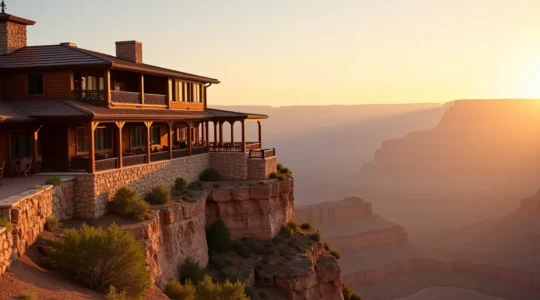
How to Book a Room at El Tovar on the Grand Canyon Rim?
Securing a sold-out room at a legendary national park lodge like El Tovar feels impossible, but the real strategy isn’t booking earlier—it’s mastering the cancellation system. Most travelers compete for rooms 13 months out, but the prime opportunity lies in…
Read more
How to Get a Suite Upgrade at Check-in Without Paying Extra?
In summary: Elite suite upgrades are not luck; they are the result of a deliberate strategy built on loyalty program mechanics. Understanding the vast difference in point values (e.g., Hyatt vs. Hilton) is the foundation of maximizing redemptions. Accelerated “status…
Read more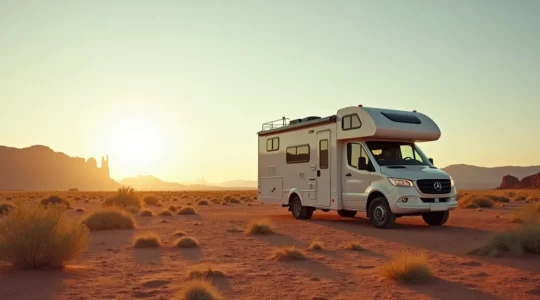
How to Find Free Legal Parking for Your Camper Van Overnight?
The secret to free camping isn’t a map of spots, but mastering the unwritten rules of being a resourceful, responsible, and invisible guest on America’s vast public and private lands. Success hinges on a mindset of self-sufficiency, situational awareness, and…
Read more
How to Spot a Safe Motel at a Lonely Interstate Exit?
The key to finding a safe motel isn’t in the online reviews; it’s in learning to read the building’s story from the roadside in under five minutes. A well-maintained franchise often signals a safer, though less unique, stay due to…
Read more
How to Know if a ‘3-Star’ Hotel Is Actually Clean and Safe?
The hotel industry’s star-rating system is a poor indicator of cleanliness and safety; a traveler’s real power comes from understanding and exploiting the hotel’s operational systems. Your booking method (direct vs. OTA) directly impacts your room assignment and service level….
Read more