Culture and heritage
America’s cultural heritage is a vast tapestry woven from Indigenous traditions, immigrant contributions, artistic innovation, and historical milestones that shaped the nation. For travelers seeking depth beyond typical tourist attractions, engaging with this heritage offers transformative experiences—but only when approached with knowledge, respect, and intention. Understanding how to navigate museums, historic sites, culinary traditions, performing arts venues, and Indigenous spaces enriches your journey while honoring the communities and stories behind them.
This comprehensive resource introduces the fundamental aspects of cultural heritage tourism in the United States, from practical considerations like preservation etiquette and visit timing to deeper questions about authenticity, representation, and respectful engagement. Whether you’re tracing your own ancestry, exploring urban architecture, or experiencing regional music traditions, these insights will help you become a more informed and conscientful cultural traveler.
Why Cultural Heritage Matters for Meaningful Travel
Cultural heritage tourism differs fundamentally from conventional sightseeing—it requires active engagement rather than passive consumption. When you visit a heritage site, you’re not simply viewing artifacts or buildings; you’re connecting with the human experiences, conflicts, innovations, and dreams that define American identity. This distinction matters because heritage sites are educational resources, not entertainment venues, and their preservation depends partly on visitor behavior and funding support.
The economic model behind many American cultural institutions reflects this educational mission. Unlike European counterparts often sustained by government funding, most U.S. museums, historic sites, and cultural centers operate through a donor-based model supplemented by admissions, memberships, and philanthropic contributions. Understanding this funding structure helps explain why becoming a temporary member, even for a single trip, often provides better value than day passes while directly supporting preservation efforts. Major institutions like the Smithsonian remain free precisely because of federal funding and donor support—a model that shapes visitor expectations nationwide.
Museums and Historic Sites: Best Practices for Meaningful Visits
American museums range from world-class encyclopedic institutions housing millions of objects to specialized collections focused on single subjects or communities. Navigating this landscape effectively requires understanding both practical logistics and interpretive approaches.
Planning Your Visit for Maximum Impact
Gallery fatigue—the physical and mental exhaustion that strikes after viewing countless exhibits—affects nearly every museum visitor. Combat this by applying the “highlight strategy”: research specific masterpieces or collections beforehand, visit those first when your attention is sharpest, then explore additional galleries as energy permits. A focused two-hour visit yields far more lasting value than six hours of overwhelmed wandering.
Timing matters significantly for atmosphere and crowd management. Weekday mornings typically offer quieter galleries and better opportunities for contemplation, while late-afternoon visits to historic sites often provide softer lighting and fewer tour groups. Many museums now offer extended evening hours with reduced admission, creating entirely different experiences than daytime visits.
Understanding Provenance and Interpretation
Modern museums increasingly address the complex histories behind their collections—how objects were acquired, whose perspectives they represent, and what narratives they support or obscure. Provenance labels now accompany many works, particularly those with colonial or contested origins. Reading these alongside traditional interpretation deepens understanding of both the art and the ethical questions museums navigate.
Audio guides have evolved beyond simple object descriptions to include curator commentary, artist interviews, and alternative interpretations. Optimizing this experience means sampling different tracks to find narrators whose approach resonates with your learning style, rather than attempting to hear every entry.
Navigating Science and Natural History Museums
America’s science museums house artifacts ranging from microscopic specimens to full-scale spacecraft, creating unique interpretive challenges. The scale of artifacts—standing beneath a suspended blue whale or walking through a full-size dinosaur skeleton—generates visceral connections to scientific concepts that text alone cannot achieve.
When searching for specific exhibits like dinosaur halls across different U.S. cities, recognize that each institution’s collection reflects distinct paleontological strengths: the American Museum of Natural History in New York emphasizes vertebrate evolution, while the Smithsonian’s National Museum of Natural History excels in biodiversity representation. Comparing science centers reveals how regional geology, local research institutions, and founding collections shape what each museum can offer.
America’s Culinary Heritage: Immigration’s Lasting Impact
Food traditions offer perhaps the most accessible entry point into cultural heritage, transforming abstract historical concepts into tangible, sensory experiences. American foodways—the cultural, social, and economic practices surrounding food production and consumption—directly reflect successive waves of immigration that built the nation’s demographic diversity.
Finding Authentic Culinary Enclaves
Authentic ethnic enclaves exist in most American cities, but distinguishing genuine community restaurants from tourist-oriented adaptations requires observation. Look for establishments where menus appear in multiple languages, where the clientele largely represents the cuisine’s culture of origin, and where unfamiliar dishes outnumber Americanized favorites. A Vietnamese restaurant in Houston’s Midtown frequented primarily by Vietnamese families likely offers more authentic preparations than a downtown location marketing “fusion” to office workers.
This isn’t to dismiss fusion cuisine, which represents its own important heritage. Understanding fusion origins—how immigrant cooks adapted traditional recipes to available ingredients and local palates—reveals innovation born from necessity and creativity. Tex-Mex, Cajun, and California cuisine all emerged from cultural collision and adaptation, creating entirely new traditions now recognized as heritage in their own right.
Comparing Regional Taco Styles
Even seemingly simple foods like tacos demonstrate remarkable regional variation across the U.S., reflecting different Mexican regional cuisines and immigrant settlement patterns. Mission-style burritos in San Francisco differ completely from San Diego’s fish tacos, Los Angeles’ Al Pastor, or Texas border-town breakfast tacos—each representing specific migration histories and local ingredient availability. Approaching these variations with curiosity rather than searching for a single “authentic” version honors the living, evolving nature of food heritage.
Avoiding Cultural Appropriation in Food Tourism
Cultural appropriation in culinary contexts—when dominant culture members profit from minority food traditions without proper attribution, respect, or community benefit—remains contentious. As a traveler, prioritize establishments owned and operated by members of the culture whose cuisine they serve, seek out food tours led by community insiders rather than outside companies, and avoid experiences that commodify poverty or hardship for entertainment value.
Living Culture: Music, Theater, and Performance Heritage
America’s performing arts heritage encompasses both accessible community traditions and elite institutions with complex access barriers. Navigating this landscape thoughtfully allows travelers to experience authentic cultural expressions across the economic spectrum.
Roots Music and Regional Soundscapes
American music traditions—blues, jazz, country, bluegrass, gospel, hip-hop—emerged from specific regional and cultural contexts that travelers can still experience in their places of origin. Juke joint culture in the Mississippi Delta, honky-tonks in Texas, jazz clubs in New Orleans, and gospel churches in Southern cities offer living connections to musical heritage that shaped global popular culture.
Finding live music off the beaten path requires local knowledge often inaccessible to short-term visitors. Community newspapers, university radio station event calendars, and conversations with music store employees frequently reveal venues and performers that online algorithms miss. When comparing musical cities—Nashville, Austin, Memphis, New Orleans, Chicago—recognize that each offers distinct traditions and contemporary scenes rather than interchangeable “music experiences.”
Theater Access and Economics
Broadway and regional theater circuits operate on economic models that can seem impenetrable to occasional theatergoers. Understanding ticket pricing economics—why identical seats have wildly different prices, how dynamic pricing works, when rush tickets become available—transforms theater from an exclusively expensive experience into a more accessible one. Many cities offer lottery systems, student discounts, or pay-what-you-can performances that maintain cultural accessibility despite rising production costs.
The distinction between touring casts and original productions matters both economically and artistically. Original Broadway casts typically command premium prices but feature the performers who originated roles and whose interpretations shaped the production. Touring casts bring professional theater to regional markets at lower price points, though production values and performer experience vary considerably across different tour tiers.
Architecture and Urban Heritage: Reading the Built Environment
American cities function as three-dimensional archives of economic history, technological change, social movements, and aesthetic values. Learning to read urban architecture and planning patterns reveals layered stories often invisible to casual observers.
Zoning laws—municipal regulations governing building height, use, density, and setback—fundamentally shaped American urban form in ways distinct from other nations. Understanding how zoning created strict separation between residential, commercial, and industrial areas explains why American cities feel and function differently than mixed-use European or Asian urban centers. Recent decades have seen many cities adopt form-based codes that permit greater mixing, creating notable contrasts between older zoning-segregated districts and newer mixed-use developments.
When touring skylines safely, whether from observation decks, architectural boat tours, or walking routes, focus on understanding how buildings relate to each other and their historical moment rather than simply photographing individual structures. Chicago’s architecture reveals 19th-century fire recovery, early skyscraper innovation, and Modernist experimentation. New York’s demonstrates economic cycles through Art Deco exuberance, post-war International Style corporate architecture, and contemporary supertall residential towers. Los Angeles shows how automobile culture, entertainment industry wealth, and earthquake engineering shaped unique architectural responses.
Comparing urban layouts across American cities—grid plans versus organic growth patterns, downtown orientation versus sprawl, public transit integration versus automobile dependency—illuminates different values, geographic constraints, and historical development patterns. Avoiding dangerous districts requires current local knowledge rather than relying on outdated assumptions; gentrification, investment patterns, and community change constantly reshape urban safety geography.
Respectful Cultural Tourism: Indigenous Sites and Sacred Spaces
Indigenous cultural tourism presents unique ethical considerations that differ fundamentally from other heritage experiences. Tribal sovereignty—the inherent authority of Indigenous tribes to govern themselves within U.S. borders—means that visiting tribal lands requires understanding and respecting governance structures, cultural protocols, and community preferences that supersede typical tourist expectations.
Many tribes welcome respectful visitors to cultural centers, museums, and designated tourism sites while restricting or prohibiting access to ceremonial locations, archaeological sites, or sacred natural features. Photography taboos exist at many Indigenous cultural events and locations, not from hostility toward visitors but from deeply held beliefs about how images capture and potentially misuse spiritual power. Always ask permission before photographing, and accept “no” graciously without demanding explanation.
When buying Indigenous art, prioritize work certified as authentically produced by tribal members rather than imitations or mass-produced items marketed with Indigenous imagery. The Indian Arts and Crafts Act provides legal protection and authentication standards, but enforcement remains inconsistent. Purchasing directly from artists at tribal cultural centers, powwows, or artist-owned galleries ensures your money supports Indigenous creators rather than exploitative intermediaries.
Comparing cultural events—powwows, feast days, ceremonies, demonstrations—requires understanding that some gatherings explicitly invite public participation while others permit respectful observation but not participation, and still others remain closed to non-tribal members entirely. Optimizing interaction means researching specific events beforehand, following all posted and announced protocols, and recognizing that you are a guest whose presence is permitted, not entitled.
Participatory Cultural Experiences: From Genealogy to Creative Workshops
Active participation in cultural creation—whether through genealogy research, artistic workshops, or skill-based tourism—transforms travelers from observers into engaged learners with personal stakes in heritage preservation and transmission.
Tracing Ancestry Through Travel
Genealogy tourism—visiting places associated with your family history—has grown substantially with DNA testing accessibility and digitized historical records. However, comparing DNA testing and paper trails reveals important limitations of each approach: DNA indicates genetic heritage but cannot specify exact locations or family names, while paper trails provide specific ancestors and places but require existing documentation that many communities, particularly enslaved peoples and marginalized groups, were systematically denied.
Preparing for an ancestry trip involves researching specific archives, historical societies, and local resources before departure. Many county courthouses, religious institutions, and genealogical libraries maintain physical archives unavailable online. Understanding the value of these physical archives—not just for information they contain but for serendipitous discoveries in related documents—justifies allocating significant research time during heritage trips.
Creative Tourism and Skill-Based Workshops
Engaging in creative tourism—pottery classes, cooking workshops, traditional craft instruction—provides mental health benefits beyond simple skill acquisition. The focused attention required for hands-on creation offers meditative relief from travel stimulation while creating tangible memories more lasting than photographs. Comparing creative hubs across different regions reveals how local material culture and artistic traditions shape available workshops: glassblowing in areas with industrial glass heritage, textile arts in communities with weaving traditions, regional cooking classes emphasizing local ingredients and techniques.
Avoiding tourist-trap workshops requires evaluating instructor credentials, class size, and whether the experience emphasizes authentic skill development or merely provides photo opportunities with minimal learning. Quality workshops include proper instruction, sufficient practice time, and completed projects you can actually use or display, rather than rushed sessions producing identical predetermined objects.
Navigating Cultural Etiquette and Service Expectations
American service culture and tipping practices perplex international visitors and domestic travelers alike, but understanding the wage system underlying these expectations provides essential context. Unlike many countries where service workers receive full minimum wages, U.S. law permits significantly lower tipped minimum wages (sometimes under three dollars hourly) for restaurant servers, bartenders, and other service positions, with tips legally considered part of compensation rather than optional gratuities.
This structure creates moral obligations for customers that feel uncomfortable to many travelers accustomed to service-included pricing. Standard tipping ranges from 15-20% for adequate restaurant service to 20-25% for excellent service, with additional gratuities expected for bartenders (one to two dollars per drink), hotel housekeeping (two to five dollars daily), and various other service encounters. The double-tip trap—inadvertently tipping twice when gratuity was already included—occurs most often with large party automatic gratuities or delivery services with pre-added tips, so always check receipts carefully before adding additional amounts.
Comparing service expectations across different cultural venues reveals important variations: high-end performing arts venues expect formal dress and strict quiet during performances, while casual music venues permit conversation and movement. Museum etiquette prohibits flash photography not from arbitrary rules but because cumulative light exposure damages sensitive artworks, particularly works on paper, textiles, and certain pigments. Understanding these reasons rather than simply following rules helps you make appropriate choices in ambiguous situations.
Cultural heritage tourism in America rewards preparation, respect, and genuine curiosity. By understanding preservation challenges, funding models, authentic versus commercialized experiences, and appropriate etiquette across diverse cultural contexts, you transform yourself from a tourist consuming experiences into a traveler engaging thoughtfully with living heritage. Each museum visit, culinary exploration, performance attendance, or heritage site encounter then becomes both personally enriching and a contribution to cultural preservation for future generations.

How to Tip Correctly in the US Without Offending or Overpaying?
The core mistake visitors make is treating a tip as a ‘bonus’; in the US, it’s a direct wage payment that makes up the bulk of a server’s income. The federal minimum wage for tipped workers is just $2.13/hour, and…
Read more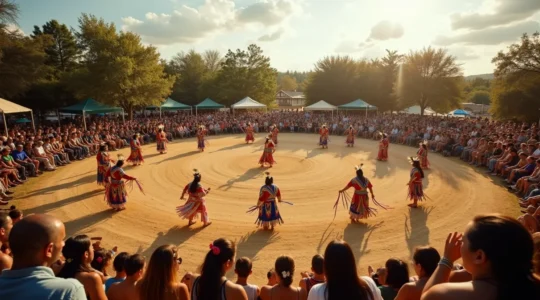
How to Visit a Native American Powwow as a Non-Native Respectfully?
Attending a powwow as a non-Native visitor can feel intimidating, filled with the fear of accidentally causing offense. The key to respectful attendance isn’t memorizing a long list of rules, but understanding the foundational principles that give those rules meaning….
Read more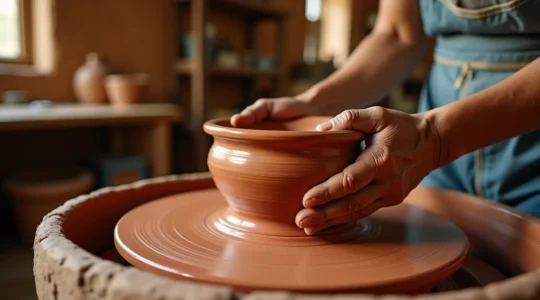
How to Book a Pottery Retreat in Santa Fe That Actually Teaches You Skills?
A true Santa Fe pottery retreat is not about making a souvenir; it’s a transformative process that shifts you from passive art consumer to active creator and discerning connoisseur. Focus on workshops with multi-session classes and clear skill progression over…
Read more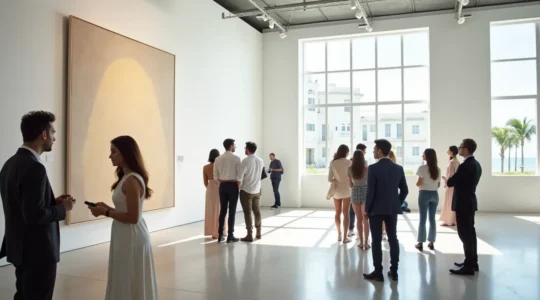
How to Acquire Art at Art Basel Miami—Without a Millionaire’s Budget
The key to acquiring art at an elite fair like Art Basel isn’t a limitless budget; it’s a surgical strategy focused on intelligence and relationships. Access is tiered, but strategic networking with galleries and museum memberships provides early entry points…
Read more
How to Use Local Libraries to Find Your Ellis Island Ancestors?
The most crucial family history breakthroughs happen when you step away from the screen and travel to the locations where your ancestors lived, worked, and were recorded. Digital databases are incomplete; fires, floods, and simple human error mean up to…
Read more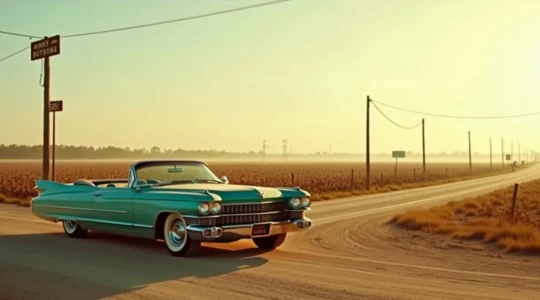
How to Plan a Blues Trail Road Trip from Memphis to the Delta?
Most guides treat the Blues Trail as a simple drive down Highway 61, but the real journey is a deep-dive into the landscape that created the music. Authentic juke joints are vanishing, requiring a focused effort to find the real…
Read more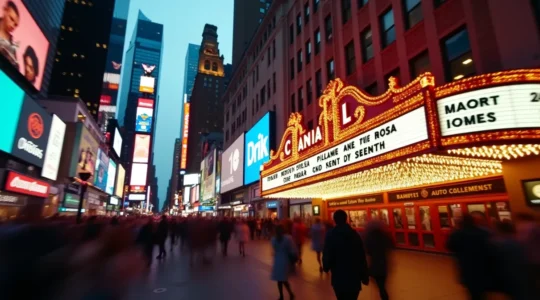
How to Score Broadway Tickets for Under $50 Without Waiting in the Rain?
Forget what you’ve heard about endless lines; getting affordable Broadway tickets isn’t about luck, it’s about outsmarting the system. The high price of a ticket is a deliberate calculation of demand, not just a reflection of quality. Insider methods like…
Read more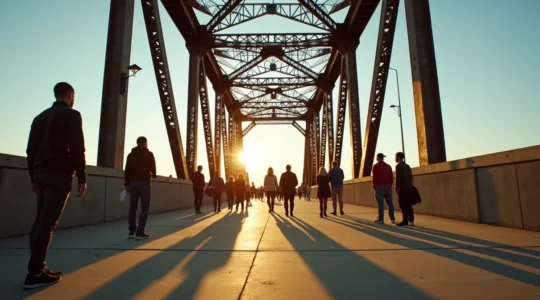
How to Travel the Civil Rights Trail from Selma to Montgomery?
Traveling the Civil Rights Trail is not a vacation; it is a pilgrimage of remembrance. This guide focuses on intentional engagement with these sacred spaces, moving beyond a simple checklist of landmarks. It provides the context and approach needed to…
Read more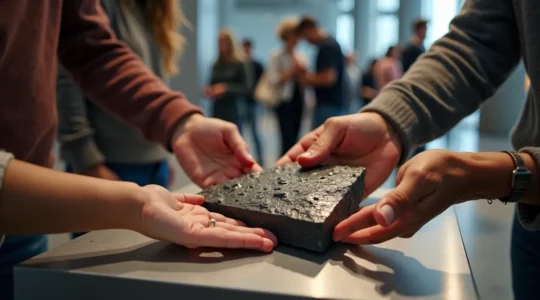
How to Touch a Moon Rock at the Smithsonian Without Waiting All Day?
The secret to touching the Moon Rock without a long wait isn’t just about timing; it’s about adopting a strategic enthusiast’s mindset that transforms your entire visit from a checklist into a mission. Treating your visit like a planned expedition,…
Read more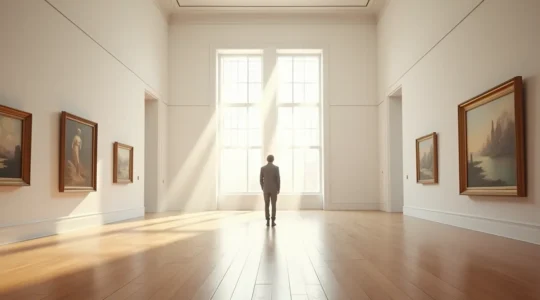
How to See the Impressionist Collection at the Art Institute Without the Crowds?
Contrary to popular belief, the secret to a crowd-free experience with the Art Institute’s Impressionists isn’t just about timing your visit. The true strategy lies in changing *how* you see the art. By adopting an art historian’s mindset—understanding the collection’s…
Read more