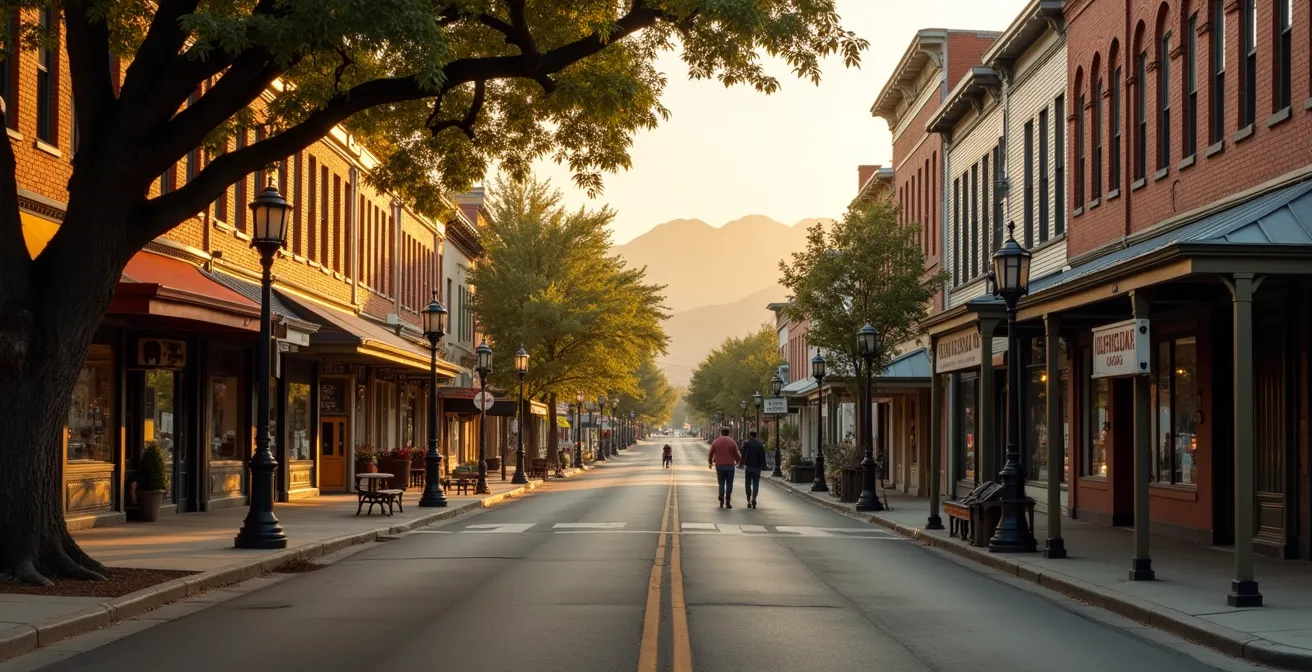
Finding America’s most authentic small towns is less about location and more about your approach as a traveler.
- The real magic is unlocked by consciously participating in the local economy and community life.
- Authenticity isn’t found on a “best of” list; it’s earned through genuine interaction and mindful spending.
Recommendation: Shift your mindset from being a passive spectator to an active participant. Your next trip’s most memorable moment might just be a conversation at a diner counter.
There’s a growing hunger among travelers, a desire to peel back the polished veneer of tourism and find something real. We’re tired of crowded cities and Instagram-famous spots that feel more like movie sets than living communities. The call of “Small Town America” is strong, promising quiet charm, genuine connection, and a glimpse into the country’s authentic heart. Yet, the typical advice often leads us down a well-trodden path. We’re told to “get off the highway” or follow a list of “America’s Most Charming Towns,” only to find ourselves in another curated experience, surrounded by other tourists doing the exact same thing.
But what if the secret to finding these hidden gems isn’t about discovering a new pin on a map? What if the key lies not in *where* you go, but *how* you show up? The most profound travel experiences are rarely found; they are co-created. This guide is built on a simple, powerful idea: finding America’s true hidden gems is an act of engagement. It’s about understanding that your presence, your curiosity, and even your dollars can be a form of connection that transforms a simple visit into a meaningful exchange.
This article will provide a roadmap for this new kind of travel. We’ll explore why your spending has a bigger impact in a small town, how to spark genuine conversations, and how to tell an authentic local spot from a clever tourist trap. We will guide you to become a participant in the life of the town, not just a spectator passing through. It’s time to find the America that doesn’t make it into the glossy brochures.
To help you navigate this journey, we’ve structured this guide to move from the philosophy of conscious travel to the practical steps you can take on the ground. The following sections offer insider tips and strategies for a more authentic and impactful small-town experience.
Summary: A Guide to Uncovering the Real Small Town America
- Why Spending $50 in a Small Town Matters More Than $500 in NYC?
- How to Start a Conversation at a Rural Diner Without Being Awkward?
- B&B vs. Historic Inn: Which Offers the Best Local Insight?
- The ‘Charming’ Town Trap That Has Everything Closed on Tuesdays
- When to Visit Rural Vermont to Catch the Authentic Maple Festivals?
- How to Book a Farm Dinner Without Trespassing on Private Land?
- The ‘Historic’ Diner Trap That Serves Frozen Food at Premium Prices
- How to Win a Ribbon at the State Fair Without Owning a Farm?
Why Spending $50 in a Small Town Matters More Than $500 in NYC?
The real power of your travel budget is best understood not by its size, but by its impact. In a small town, your spending isn’t a drop in the ocean; it’s a vital part of a delicate local ecosystem. This is the concept of the “Economic Handshake”—where every dollar you spend directly supports a family, sustains a historic main street, and helps a community thrive against the odds. Unlike in a large city, where your money often funnels into large corporations, that $50 spent at a family-owned bakery or an independent bookstore circulates multiple times within the community, paying local suppliers, funding a high school sports team, or helping to repair a historic building.
Think of it as casting a vote for the kind of America you want to exist. Every purchase from a local artisan over a mass-produced souvenir is a statement. This direct economic link is what transforms you from a mere consumer into a benefactor. The Small Town Travel Guide’s research confirms this, showing that tourism focused on authentic local businesses creates a sustainable economic model that benefits everyone. Your choice to eat at the local diner instead of a chain restaurant is a small act with big consequences, helping to preserve the very character and charm that drew you there in the first place.
This approach deepens your travel experience. When you understand the story behind the business—the baker who inherited her grandmother’s recipes or the bookstore owner who knows every customer by name—your transaction becomes a human connection. It’s the most powerful way to ensure these precious pockets of American life continue to flourish for future travelers to discover.
How to Start a Conversation at a Rural Diner Without Being Awkward?
The true heart of a small town isn’t found in its architecture, but in its people. A conversation in a rural diner can tell you more than any guidebook, but breaking the ice can feel intimidating. The key is to trade in “Community Currency”—exchanging genuine curiosity for local stories and insider knowledge. This isn’t about being an extrovert; it’s about creating a small opening for connection. Success lies in your approach: be humble, be observant, and show you’re interested in their world, not just passing through it.
The best strategy is to make yourself approachable and lead with a gentle, open-ended question. Avoid topics that can be divisive, like politics, and focus on shared, positive experiences. Complimenting the food, asking about a local landmark you saw, or inquiring about an upcoming town event are all safe and effective starting points. Remember, the goal isn’t to have a deep, life-altering conversation, but to share a moment of human connection. Often, the person you speak with is just as curious about you and your journey as you are about their town.
To make it even easier, here are a few practical steps to foster these interactions:
- Arrive during off-peak hours when locals and staff have more time to chat.
- Sit at the counter rather than a booth. It’s the social hub of any classic diner.
- Comment on a local landmark or ask about a community event you noticed on a flyer.
- Order the daily special and ask about its history or who is famous for making the pies.
- Listen more than you talk. Show genuine interest in the stories and rhythms of local life.
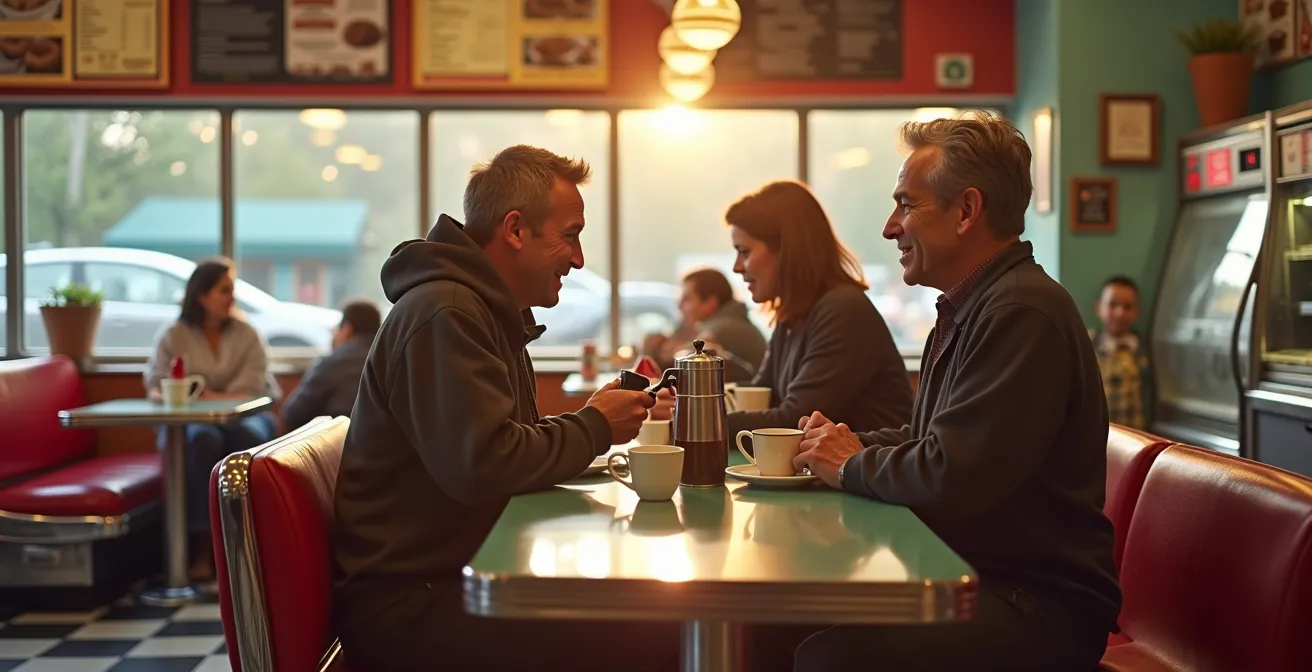
As you can see, the environment of a classic diner is built for conversation. The warm light and shared counter space invite interaction. By taking a seat here, you signal you’re open to being part of the local scene, even for just a little while. This simple act is often all it takes to turn strangers into friendly faces who might just share the town’s best-kept secret with you.
B&B vs. Historic Inn: Which Offers the Best Local Insight?
Your choice of accommodation is more than just a place to sleep; it’s your temporary home and your primary gateway to local knowledge. While both Bed & Breakfasts and historic inns offer more character than a chain hotel, they provide different levels of connection. For the traveler truly seeking to get under the skin of a town, the Bed & Breakfast (B&B) is almost always the superior choice for intimate, hyper-local insight. A B&B is often run by the owners who live on-site, making them personally invested in your experience and deeply knowledgeable about their community.
Your host at a B&B is your first and best “insider.” They know which farm stand has the best corn, the real story behind the “haunted” house on the hill, and which scenic road isn’t on the map. The breakfast table itself becomes a morning intelligence briefing, where you can gather tips not just from your host but from other guests. Historic inns, while charming, are typically larger and run more like small hotels with a staff. The connection, while professional and helpful, is often less personal. You’ll get good recommendations, but you might miss out on the rich, anecdotal texture that a B&B owner provides.
Case Study: Bar Harbor’s Cottage-Style B&Bs
A prime example, highlighted in U.S. News’s ranking of best small towns, is Bar Harbor, Maine. The town’s success in creating an authentic visitor experience is tied to its abundance of cottage-style B&Bs. These establishments, often lining the main streets, are run by locals who source their breakfast ingredients from nearby farms and fishermen. Staying here means you’re not just a tourist; you’re a direct participant in the town’s interwoven economy, and your hosts act as personal ambassadors to the best of the region.
Ultimately, choosing a B&B is a vote for a more integrated travel experience. It’s a decision to be welcomed into a home, not just checked into a room. This level of access to local life is invaluable and is often the defining factor that transforms a good trip into an unforgettable one.
The ‘Charming’ Town Trap That Has Everything Closed on Tuesdays
One of the biggest culture shocks for city dwellers visiting a small town is discovering that “open 24/7” is not a universal concept. Arriving in a picture-perfect town only to find the diner, the antique shop, and the general store all closed can feel like a frustrating trap. However, this isn’t a flaw; it’s a feature. It’s a sign that you’ve found a place that operates on its own Rhythm & Routine, a town run by real people who prioritize life over constant commerce. This is the opposite of a tourist-centric town that contorts itself to meet visitor demands at all hours.
Embracing this slower pace is part of the authentic experience. In the United States, there are nearly 19,000 incorporated towns with populations under 5,000 people. In communities this small, businesses are often a one-person or one-family operation. Closing on a Tuesday might be the only day the owner has to do inventory, run errands in a bigger town, or simply rest. Instead of seeing it as an inconvenience, see it as a mark of authenticity. You’ve found a place that hasn’t sold its soul to the tourist dollar.
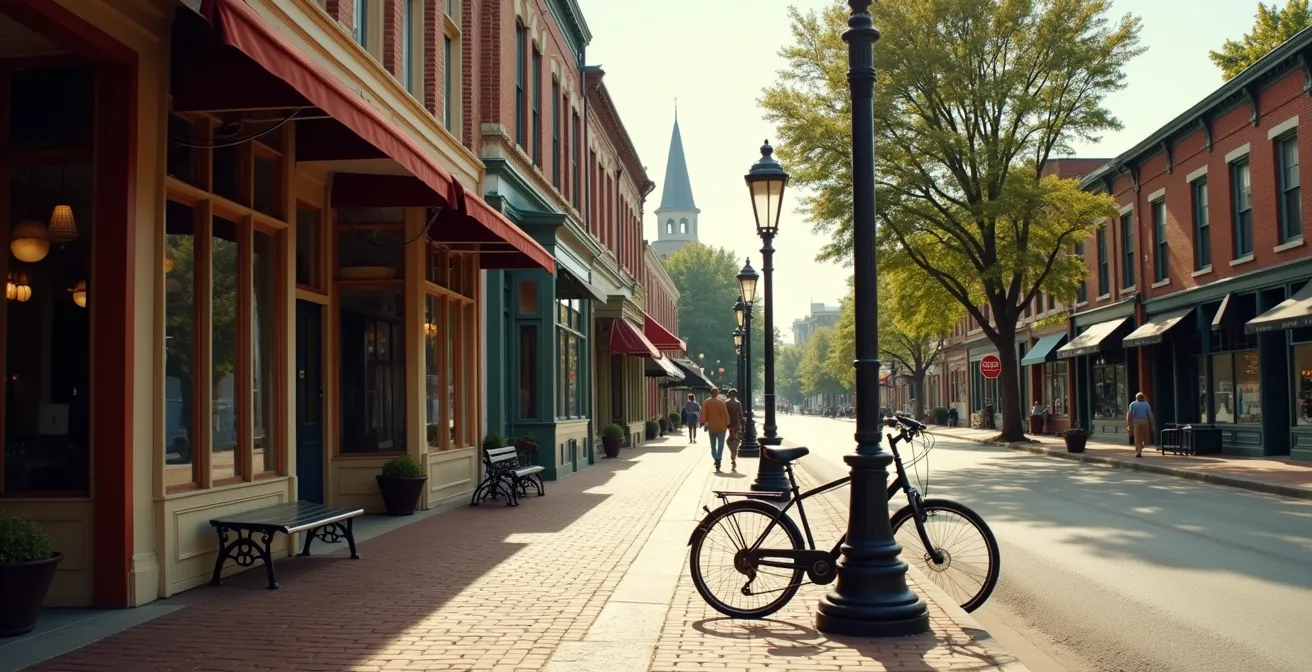
The key is to plan ahead and adapt. A little research can prevent a lot of frustration. Before you visit, do some digital detective work to understand the local flow. This small bit of prep allows you to work *with* the town’s rhythm, not against it. This approach respects the local way of life and turns a potential frustration into a peaceful observation of a town at rest.
- Check the town’s official Chamber of Commerce website, which is often more accurate than Google Maps.
- Join the town’s community group on Facebook for real-time updates and local chatter.
- Call ahead to family-owned businesses, especially restaurants, to confirm their hours for the day you plan to visit.
- Plan your visit around the local culture; for example, be aware that many businesses in Bible Belt towns may be closed on Sundays.
When to Visit Rural Vermont to Catch the Authentic Maple Festivals?
Timing your visit to coincide with a local festival can be a highlight of any trip, but there’s a world of difference between a genuine community celebration and a staged tourist event. The key to an authentic experience is to look for the events that locals themselves attend. A classic example is Vermont’s maple sugaring season. While many towns host large “maple festivals,” the most memorable experiences are often found at smaller, more intimate events tied directly to the sap flow.
The real magic happens during the unpredictable window in late winter or early spring when temperatures rise above freezing during the day and drop below at night. This is when the sap runs, and sugarhouses fire up their evaporators. The most authentic events, like the statewide Maple Open House Weekend, are focused on visiting these working farms. You’ll get to talk to the sugar makers, taste the fresh syrup, and experience the process firsthand, often in muddy, unglamorous—and completely real—conditions. This is a far cry from a street festival with maple-flavored popcorn and carnival rides.
Finding these hyper-local, often weather-dependent events requires more than a simple Google search. You need to tap into local information channels. Here’s how you can plan a truly authentic maple season visit:
- Monitor the Vermont Maple Sugar Makers’ Association website for real-time updates on the sap flow and event dates.
- Follow blogs from local farms or regional food networks like DigInVT for the most current information.
- Book your accommodations well in advance, as these authentic events have limited capacity and are popular with Vermonters.
- Pack for the reality of a working farm: bring sturdy, waterproof boots for muddy conditions.
- Always call a specific sugarhouse ahead of time to confirm they are boiling sap and open to visitors that day.
How to Book a Farm Dinner Without Trespassing on Private Land?
The rise of agritourism has created incredible opportunities for travelers to connect with the source of their food through farm-to-table dinners. However, this trend has also led to a gray market of unofficial or poorly organized events. It’s crucial to ensure the experience you’re booking is a legitimate, safe, and respectful operation, not an impromptu dinner that could put you in the awkward position of trespassing on private land. A legitimate farm dinner is a professional event, not a casual backyard barbecue.
Authentic agritourism operators are proud of their work and are transparent about their business. They have a professional presence, clear contact information, and a structured booking process. They understand liability and have the proper permits and insurance to host guests on their property. This professionalism is a key marker of an experience that will be both enjoyable and respectful of the farmers’ livelihood and land. Vetting the event beforehand is a critical step in being a responsible, conscious traveler.
Case Study: Door County, Wisconsin’s Agritourism Model
Door County offers a fantastic model for how to do agritourism right. The region successfully integrates its agricultural heritage, from cherry orchards to fish boils, into its tourism offerings through vetted, professional channels. Local farms partner with tourism bodies and use established platforms to manage their events, ensuring visitors have authentic experiences while respecting private property. This structured approach protects both the visitor and the farmer, creating a sustainable model for rural tourism.
Before you commit your money and time, a quick audit can save you from a potentially disastrous experience. Use a simple checklist to verify the legitimacy of any farm-to-table event.
Your Farm Dinner Legitimacy Checklist
- Verify Professional Presence: Check that the farm has a professional website with a physical address and clear contact information. A real business is easy to find.
- Check the Ticketing Platform: Legitimate events use recognized ticketing platforms like Eventbrite or a secure system on their own website. Be wary of requests for Venmo or cash sent to a P.O. box.
- Look for Social Proof: Search for reviews or photos from previous events on multiple platforms (Google Reviews, Yelp, social media). A lack of history is a red flag.
- Use Vetted Networks: Look for dinners listed on established agritourism platforms like Outstanding in the Field, the American Farmland Trust, or your state’s official agritourism association website.
- Confirm Permits and Insurance: Don’t be afraid to ask the organizer directly if the event is fully insured and permitted. A legitimate operator will be happy to confirm.
The ‘Historic’ Diner Trap That Serves Frozen Food at Premium Prices
A classic American diner is a cornerstone of the small-town experience, but not all chrome and vinyl are created equal. The “Historic Diner Trap” is a place that looks the part—vintage sign, checkered floors, red booths—but serves a menu heavily reliant on a freezer and a microwave. You’re paying for nostalgia, not quality. The true, authentic diner is a place of craft, where the food is prepared with pride. Learning to spot the difference is the ultimate Authenticity Litmus Test for any traveling foodie.
The secret is to look past the decor and read the subtle clues on the menu and in the air. An authentic diner’s menu is often small and focused, changing with the seasons or even daily. It’s a sign that the kitchen is working with fresh ingredients. A sprawling, laminated menu that offers everything from tacos to lasagna is a major red flag; no small kitchen can prepare that many dishes well from scratch. It’s a sign that the Sysco or US Foods truck is their most important supplier.
Your server’s confidence is another tell-tale sign. In a real diner, the staff knows the food because they are part of its creation. They can tell you who made the pie or where the burger meat comes from. Hesitation or vague answers suggest the food’s origin is a mystery even to them. Here are a few “menu forensics” tips to guide you:
- Look for Chalkboards: Daily specials written on a chalkboard are a strong indicator of a kitchen that cooks with fresh, available ingredients.
- Apply the “Pie Test”: This is the golden rule. Ask a simple question: “Are the pies baked in-house?” A proud “yes” is one of the best signs of an authentic kitchen. A hesitant “I think so” is a bad sign.
- Check for Supplier Logos: Some of the best diners are proud of their local partners and will name the farms they work with directly on the menu.
- Watch the Kitchen Door: Observe what’s coming in and out. If you see more boxes than fresh produce, be skeptical.

A slice of pie, with its flaky, imperfect crust and real fruit filling, is the visual proof of a kitchen that cares. It represents craftsmanship over convenience and is the hallmark of a diner worth your time and money. It’s a delicious reward for being a discerning traveler.
Key Takeaways
- True hidden gems are defined by community engagement, not just a location on a map.
- Your spending in a small town has a significant, direct impact on the local economy and preservation of its character.
- Authenticity is a skill to be learned, from spotting a real homemade pie to knowing how to find a genuine local festival.
How to Win a Ribbon at the State Fair Without Owning a Farm?
The ultimate expression of small-town engagement is to shift from being a spectator to a Participant. And there is no better stage for this than the great American state fair. While it may seem like a world reserved for farmers and 4-H members, state fairs are deeply democratic community events with dozens of competition categories open to everyone. Winning a ribbon at the state fair is a tangible, joyful way to become part of the town’s story, even if you’re just visiting for the week.
The key is to look beyond the livestock auctions. Every state fair has an “Exhibitor’s Guide” or “Premium Book,” often available online months in advance. This document is your treasure map. In it, you’ll find categories for baking (Best Chocolate Chip Cookie), photography (Best Landscape), crafts, quilting, flower arranging, and even Lego building. These competitions are the heart of the fair, celebrating the skills and passions of the community. Participating is surprisingly easy, but it requires a little planning.
The real prize isn’t the ribbon itself, but the experience. When you show up on submission day with your plate of cookies or your framed photograph, you are no longer a tourist. You are a fellow participant. You’ll stand in line with locals, share stories, and feel the collective buzz of community pride. It is the fastest way to dissolve the barrier between “visitor” and “local.” This simple act connects you to the community in a way that just buying a ticket never could, and it’s a powerful reminder that small-town residents often report 23% higher life satisfaction scores, a testament to the strong community bonds you’ll be tapping into.
Here’s your quick guide to getting involved:
- Download the “Premium Book” from your state fair’s official website early.
- Review the non-agricultural categories and pick one that matches your hobbies.
- Pay close attention to registration deadlines, which are often months before the fair.
- Follow the specific, sometimes quirky, submission rules to the letter (e.g., “cookies must be on a plain white paper plate”).
- Plan your drop-off logistics and arrive early. The conversations you have while waiting are often the best part.
Now that you’re equipped with this new mindset and a set of practical tools, the next step is to put it into practice. Choose a small town, not from a list, but by its potential for connection, and plan your visit as an engaged participant, ready to contribute to the life of the community you are about to discover.