American gastronomy
American gastronomy represents far more than burgers and apple pie. It’s a living tapestry woven from Indigenous traditions, immigrant influences, and regional terroirs that span deserts, coastlines, fertile plains, and mountain ranges. For travelers seeking authentic culinary experiences, understanding this diversity transforms a simple vacation into an educational journey through flavor, history, and innovation.
From the smoke-filled BBQ pits of Texas to the sophisticated tasting menus of urban restaurants, from farmers’ markets brimming with heirloom vegetables to food trucks serving fusion creations, American food culture defies simple categorization. This complexity makes it both exciting and potentially overwhelming for visitors. The following sections will equip you with the foundational knowledge to navigate, appreciate, and savor the full spectrum of American gastronomy.
The Regional Mosaic: Why Geography Shapes Every Bite
American cuisine cannot be understood as a monolith. The nation’s vast geography creates distinct culinary regions, each shaped by climate, history, and available ingredients. The Pacific Northwest’s mild, rainy climate produces exceptional salmon and berries, while the arid Southwest yields chiles, corn, and beans that define its flavor profile.
Consider how temperature and precipitation patterns dictate growing seasons across the country. Southern states enjoy longer growing periods, supporting rice cultivation in Louisiana’s bayous and peach orchards in Georgia. Meanwhile, the Midwest’s fertile prairies became America’s breadbasket, producing wheat and corn that feed the nation. Coastal regions naturally developed seafood-centric cuisines, from New England’s clam chowder to the Pacific’s Dungeness crab.
These geographical realities created authentic regional dishes that remain deeply tied to their origins. When you encounter Carolina-style BBQ in its home territory versus a distant interpretation elsewhere, the difference extends beyond recipe—it reflects centuries of local tradition, available wood types for smoking, and even the hogs raised in that specific climate. Understanding these connections helps travelers identify authentic regional experiences and avoid commercialized imitations that lack historical context.
Iconic Dishes That Tell America’s Story
Certain dishes transcend their regional origins to become national symbols, yet they reveal their full complexity only when understood in context. These culinary landmarks offer entry points for deeper exploration of American food culture.
The BBQ Phenomenon: Regional Pride and Rivalry
American barbecue inspires devotion that borders on religious fervor. This slow-cooked, smoke-infused tradition exists in four primary regional styles, each fiercely defended by its adherents. Texas favors beef brisket with minimal sauce, letting the meat and smoke speak for themselves. Carolina traditions split between vinegar-based and mustard-based sauces applied to whole-hog preparations. Kansas City developed thick, sweet tomato-based sauces coating various cuts, while Memphis specializes in dry-rubbed ribs.
The science behind exceptional barbecue involves understanding wood smoke chemistry. Different woods—hickory, mesquite, oak, applewood—impart distinct flavors through combustion compounds. Temperature control over hours-long cooking breaks down tough connective tissues, transforming inexpensive cuts into tender delicacies. For travelers, learning to judge a barbecue establishment before ordering (by observing smoke, smelling the wood, checking for on-site smokers rather than warming trays) prevents disappointing reheated experiences.
Cajun and Creole: The Complex Fusion of New Orleans
New Orleans cuisine represents one of America’s most sophisticated regional traditions, born from the collision of French, Spanish, West African, and Native American culinary practices. The distinction between Cajun (rural, rustic) and Creole (urban, refined) cooking matters less today than understanding their shared foundations.
The “Holy Trinity” of onions, celery, and bell peppers forms the aromatic base for countless dishes, functioning similarly to French mirepoix. Mastering a proper roux—flour cooked in fat to varying degrees of darkness—separates authentic gumbo from pale imitations. The darker the roux, the deeper and nuttier the flavor, though the margin between perfect and burnt measures in mere seconds. Rice dishes like jambalaya and étouffée showcase the region’s agricultural heritage and West African influences.
Timing matters when experiencing this cuisine. Seafood seasonality affects menu quality dramatically. Crawfish season peaks in spring, while Gulf shrimp and oysters follow their own calendars. Visiting during off-seasons means frozen substitutes that diminish the experience considerably.
From Fine Dining to Food Trucks: Understanding America’s Dining Spectrum
American food culture embraces simultaneous extremes. The same city might house Michelin-starred restaurants requiring reservations months in advance alongside beloved taco trucks operating from parking lots. This diversity reflects American pragmatism and innovation rather than contradiction.
The fine dining landscape has evolved beyond European imitation toward distinctly American expressions of haute cuisine. Chefs deconstruct regional classics, applying modern techniques to ingredients like heritage grains and heirloom vegetables. Tasting menus—multi-course experiences designed to showcase a chef’s vision—have become standard at top establishments. Understanding proper etiquette (pacing yourself, trusting the chef’s sequence, knowing when to decline wine pairings) enhances these often-expensive experiences.
Conversely, street food and food trucks represent fast-paced culinary innovation with lower barriers to entry. Immigrants and young chefs experiment with fusion concepts, introducing flavors that eventually influence mainstream restaurants. The quality can match seated establishments, though knowing how to identify safe vendors (observing turnover speed, checking for proper food storage, noticing popular trucks with lines of locals) becomes essential. These casual formats also require different strategies—arriving at optimal times, being prepared to stand and eat, accepting that the “hottest” spots might involve waiting.
Farm-to-Table: Connecting with America’s Agricultural Roots
The farm-to-table movement has reshaped American dining over recent decades, reconnecting consumers with agricultural sources. Beyond marketing buzzwords, this philosophy addresses seasonality, sustainability, and flavor quality through shortened supply chains.
Visiting farms directly—increasingly popular through agritourism—reveals how ingredients reach your plate. You might pick strawberries in California’s Central Valley, tour cheese operations in Vermont, or learn about regenerative cattle ranching in the Midwest. These experiences provide context that transforms subsequent meals, helping you understand why a tomato tastes profoundly different in August versus December, or why local eggs command premium prices.
However, the term “farm-to-table” has been diluted through overuse. Discerning travelers learn to identify genuine sourcing commitments versus greenwashed marketing. Restaurants truly committed to this model typically name specific farms on menus, change offerings frequently based on harvest, and can explain their sourcing relationships in detail. Farmers’ markets offer similar direct connections, though timing visits to early mornings and understanding seasonal constraints prevents disappointment.
Planning Your Culinary Journey Through America
Structuring travel around gastronomic goals requires different planning than conventional tourism. Rather than cramming maximum sightseeing into each day, food-focused itineraries account for meal pacing, ingredient seasonality, and digestive reality.
Serious food travelers often build trips around specific experiences: reserving tables at destination restaurants months ahead, timing visits to coincide with harvest seasons or food festivals, or sequencing regions to experience contrasting styles. This might mean starting in the Pacific Northwest during salmon runs, moving to California wine country during crush season, then experiencing autumn in New England when apple orchards and seafood both peak.
Practical considerations include packing for food transport (checking TSA regulations for bringing regional specialties home, carrying insulated bags for perishables), preventing palate fatigue through strategic variety (alternating rich and light meals, incorporating non-food days), and selecting appropriate food tour operators who provide educational context beyond mere tastings. The goal is returning home not just satisfied, but genuinely educated about American culinary traditions and their ongoing evolution.
American gastronomy rewards curious travelers willing to look beyond stereotypes. By understanding regional diversity, respecting local traditions, and approaching both humble and elevated dining with open minds, you’ll discover a food culture as complex and varied as the nation itself. Each meal becomes not just sustenance, but a story of geography, history, and the ongoing American experiment in culinary innovation.

How to Plan a Wine Tasting Trip to the Finger Lakes on a Budget?
The key to a budget Finger Lakes wine trip is not spending less, but tasting smarter by maximizing the quality and diversity of your experience for every dollar spent. Prioritize wineries based on terroir and value, not just the lowest…
Read more
How to Order From a Food Truck Like a Pro, Even in a 20-Person Line
Ordering street food isn’t about patience; it’s about hacking a system of hidden cues and unspoken rules. The price of your food reflects massive hidden costs, not just ingredients. You can accurately judge hygiene in seconds without ever seeing the…
Read more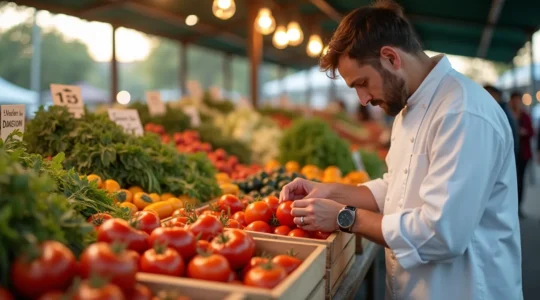
An Auditor’s Guide: How to Verify if a Restaurant Is Truly ‘Farm-to-Table’
True ‘farm-to-table’ is a verifiable claim based on an auditable chain of custody, not a marketing slogan you should take on faith. Seasonality provides a non-negotiable alibi; an item’s presence on the menu must align with its local harvest window,…
Read more
How to Plan a Vacation Entirely Around Reservations and Markets
True food-centric travel is not about luck; it’s about culinary choreography. Secure top-tier reservations by building digital relationships and targeting shoulder seasons, not by using bots. Preserve your palate for a headline dinner by strategically pacing your daytime tastings and…
Read more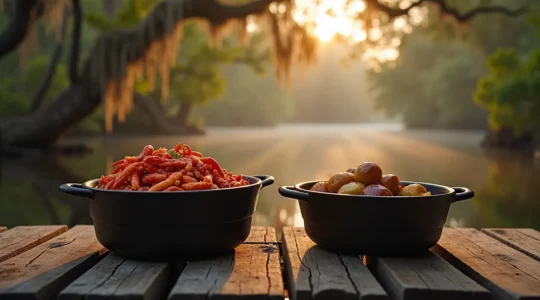
How to Differentiate Creole Étouffée from Cajun Gumbo?
Many believe the difference between Gumbo and Étouffée is a simple checklist of roux color and ingredients. The truth is far richer. This distinction is a doorway into the soul of Louisiana, where the real difference lies not just in…
Read more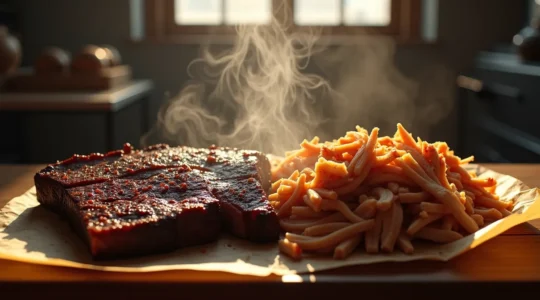
How to Distinguish Texas Brisket from Carolina Pulled Pork?
The real difference between BBQ styles isn’t the meat; it’s a holy trinity of wood, sauce, and time that defines each region’s sacred tradition. Wood acts as the ‘terroir,’ infusing a unique regional flavor before the meat ever hits the…
Read more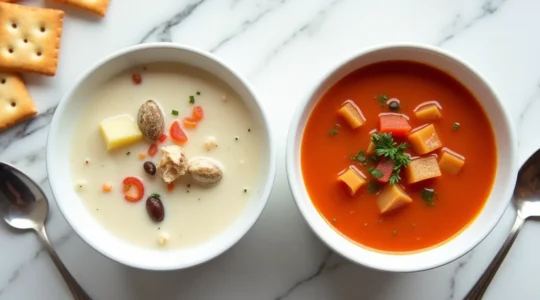
Manhattan vs. New England Chowder: A New England Chef Settles the Debate
The debate isn’t about red versus white; it’s about culinary integrity versus a tomato-based seafood soup. True chowder builds its creamy, rich body from potato starch and high-quality dairy, a delicate balance that acidic tomatoes shatter. The secret to exceptional…
Read more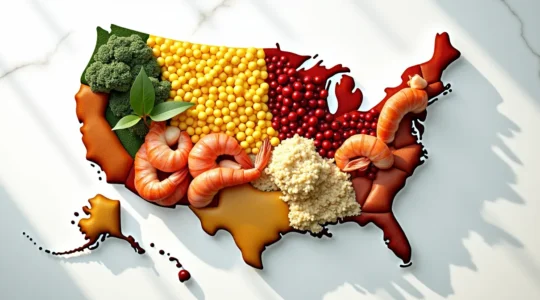
How to Identify the 5 Major American Flavor Profiles by Region?
In summary: American regional flavor is not defined by ingredients alone, but by a “culinary terroir” of geography, history, and cooking philosophy. Key differentiators include wood smoke chemistry (Hickory vs. Mesquite), soil and climate’s effect on grapes (Riesling), and cultural…
Read more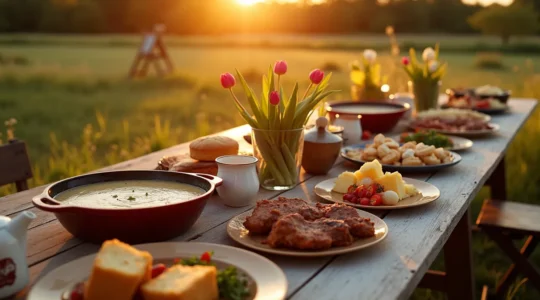
Why American Food Is Much More Than Just Burgers and Fries
Contrary to the global cliché of fast food, America’s true culinary identity is a dynamic economic engine defined by sophisticated regionalism and a thriving artisan spine. This is not a cuisine of simple burgers and fries, but a complex gastronomic…
Read more