Events and festivals
Across the American landscape, events and festivals transform ordinary destinations into vibrant celebrations of culture, tradition, and community. From the scorching heat of desert music festivals to the electric atmosphere of college football tailgates, these gatherings offer travelers an immersive window into the nation’s diverse spirit. Yet behind the excitement lies a complex web of logistics, timing considerations, and practical challenges that can make or break your experience.
Understanding how to navigate these celebrations isn’t just about buying a ticket and showing up. It requires strategic planning around peak seasons, mastering crowd dynamics, protecting your health in extreme conditions, and making smart financial decisions to avoid the inflated prices and scams that plague major events. This comprehensive resource will equip you with the knowledge to transform any festival or event from a potentially overwhelming ordeal into a memorable highlight of your American travels.
Why Events and Festivals Define American Travel Culture
Events and festivals serve as the heartbeat of American tourism, drawing millions of visitors annually to experiences that can’t be replicated in everyday life. Unlike static attractions, these gatherings create time-limited opportunities that foster a sense of urgency and exclusivity. Think of them as the difference between seeing a photograph of the Grand Canyon and standing at its edge—one is passive observation, the other is visceral experience.
The economic impact is staggering. A single major music festival can inject tens of millions of dollars into a local economy over one weekend, while college football games regularly draw crowds exceeding 100,000 people to towns that might otherwise house just a fraction of that population. This economic inflation drives everything from hotel prices to restaurant wait times, creating a completely different travel landscape during event periods compared to the off-season.
For travelers, these gatherings represent cultural immersion at its most authentic. Whether you’re witnessing the deep-rooted traditions of a state fair’s 4-H livestock competitions or experiencing the organized chaos of a New Year’s Eve celebration in Times Square, you’re participating in rituals that locals hold sacred, gaining insights no museum or guided tour can provide.
Seasonal Celebrations: Timing Your Visit Around Major Holidays
The Fourth of July: America’s Signature Summer Spectacle
Independence Day transforms major cities into pyrotechnic theaters, with fireworks displays that can draw hundreds of thousands of spectators to waterfronts and public spaces. The challenge isn’t finding a celebration—virtually every American community hosts one—but rather securing a prime viewing location without sacrificing hours to crowd navigation. In cities like Boston, Washington D.C., or San Diego, locals stake out spots as early as mid-morning for evening displays, turning the entire day into a festival atmosphere.
Heat management becomes critical during this midsummer holiday. July temperatures routinely exceed 90°F across much of the country, and standing in direct sunlight for extended periods while surrounded by dense crowds creates a perfect storm for heat exhaustion. Your exit strategy matters as much as your arrival plan—attempting to navigate public transit or highways immediately after major fireworks displays can add two to three hours to your journey home.
Thanksgiving Week: Navigating the Travel Peak
The Wednesday before Thanksgiving, known colloquially as “Black Wednesday,” represents the single busiest travel day on the American calendar. Airports reach capacity, highways become parking lots, and the entire national transportation infrastructure strains under the weight of millions attempting to reach family gatherings simultaneously. Understanding this phenomenon allows you to either avoid it entirely by traveling earlier in the week or embrace it with proper contingency planning.
For travelers caught away from home during the holiday itself, finding a traditional Thanksgiving meal has become surprisingly accessible. Many hotels, restaurants, and even some grocery stores now offer complete holiday dinners, recognizing the significant population of people who find themselves on the road during this traditionally family-centered celebration. Planning this aspect in advance prevents the disappointment of discovering most establishments closed on the day itself.
Multi-Day Festivals: Surviving and Thriving at Outdoor Events
Multi-day camping festivals represent a unique subset of American events, combining musical performances with an endurance test that challenges even seasoned travelers. These gatherings—ranging from massive desert electronic music festivals to intimate folk gatherings in mountain meadows—demand preparation that extends far beyond typical concert attendance.
The Physical Reality of Festival Life
The physical toll of a three-to-five-day outdoor festival often catches first-timers off guard. You’re essentially agreeing to live in a temporary city lacking basic infrastructure, where walking several miles daily between campsites, stages, and facilities becomes routine. Combine this with irregular sleep patterns, dietary disruption, and exposure to extreme temperatures, and your body faces stresses it would never encounter during conventional travel.
Dehydration poses the single greatest health risk at these events. In desert locations, daytime temperatures can exceed 100°F while nighttime lows plunge into the 50s, creating a 50-degree temperature swing that confuses your body’s natural regulation systems. The combination of alcohol consumption, dancing, and sun exposure accelerates fluid loss to dangerous levels. Experienced festival-goers follow a simple rule: if you’re not urinating regularly with clear or light-yellow urine, you’re already dehydrated.
Efficient Campsite Setup and Social Dynamics
Setting up your campsite efficiently on arrival can define your entire festival experience. The best strategy involves dividing responsibilities: while one person secures your camping spot (typically by driving or walking to claim space), others organize gear and begin assembly. Arriving during peak check-in hours can mean waiting in vehicle lines for three to four hours before even entering the festival grounds.
Each festival develops its own distinct vibe—a cultural atmosphere shaped by musical genre, geographic location, and attendee demographics. A bluegrass festival in the Appalachian mountains fosters a family-friendly, laid-back environment vastly different from the high-energy, youth-dominated scene at an electronic dance music gathering in Southern California. Researching this cultural fit beforehand prevents disappointing mismatches between your expectations and reality.
Entertainment Destinations: Shows, Performances, and Theme Parks
The Las Vegas Residency Model
Las Vegas has revolutionized live entertainment through the residency model, where major artists establish semi-permanent shows at specific venues rather than touring. This system creates unique opportunities for travelers: instead of hoping your favorite artist tours near your hometown, you can plan a Vegas trip around guaranteed performances. The residency model allows artists to develop elaborate productions impossible on tour, utilizing permanent staging, special effects, and venue-specific technical capabilities.
Same-day ticket booking has become increasingly viable in Las Vegas, with many shows offering unsold inventory at discounted rates through hotel concierge services or official half-price ticket outlets. However, this strategy requires flexibility—you’re choosing from available shows rather than guaranteeing specific performances. Balancing your dinner reservations with show timing often proves trickier than expected, as many venue doors open only 30-45 minutes before curtain, leaving little buffer for delays.
Theme Park Psychology and Strategy
Modern theme parks operate as sophisticated psychological environments designed to maximize guest spending while managing crowd flow. Understanding queue psychology—why certain wait times feel longer than others despite identical durations—helps you make smarter decisions about which attractions warrant your time. Parks place visually engaging elements in queue lines for popular attractions, making 60-minute waits feel more tolerable than 30-minute waits in empty, switchback corridors.
Skip-the-line systems now come in multiple tiers at major parks, ranging from free options requiring early morning arrival (rope drop strategy) to premium services costing several hundred dollars per person. The value calculation depends entirely on your priorities: families with young children often find the premium options worthwhile to avoid meltdowns, while thrill-seeking teenagers might prefer maximizing ride count through strategic touring rather than additional spending.
American Sporting Traditions and Tailgate Culture
To understand American sporting events, you must first grasp that for many fans, the game itself represents only one component of a daylong ritual. College football exemplifies this phenomenon most dramatically, where tailgating—pre-game parking lot gatherings featuring elaborate food preparation, games, and socializing—often begins six to eight hours before kickoff. Some fans never even enter the stadium, treating the tailgate as the primary event.
The secondary ticket market has become the de facto purchasing method for major sporting events, with face-value tickets often unavailable to the general public due to season ticket holders and corporate allocations. Prices fluctuate wildly based on team performance, opponent quality, and weather forecasts, sometimes dropping by 50% or more in the final hours before game time for less desirable matchups.
Stadium atmospheres vary dramatically across venues and sports. A baseball game at a historic ballpark like Wrigley Field fosters relaxed, conversational viewing, while SEC college football games create deafening environments where conversation becomes impossible. Researching venue-specific policies matters—many stadiums now enforce clear bag policies that prohibit traditional purses or backpacks, rejecting thousands of unprepared visitors at security checkpoints daily.
Mastering Event Logistics and Crowd Navigation
Mega-events demand logistical planning that rivals military operations. When half a million people descend on a single location for a parade or festival, every system—transportation, sanitation, food service, communication—operates at or beyond capacity. Arriving and departing during peak windows can consume more time than the event itself, turning a two-hour parade into an eight-hour commitment.
Booking prime viewing spots for major parades requires understanding each event’s specific culture. New Orleans’ Mardi Gras operates on a first-come-first-served basis for most routes, with locals establishing territory hours in advance. New York’s Thanksgiving Day Parade, by contrast, implements corralled viewing areas along certain stretches, limiting your ability to freely position yourself. Some families maintain generational traditions of watching from the same locations annually, establishing informal territorial claims.
The artist lineup sequencing at music festivals follows strategic logic designed to manage crowd flow and energy. Headliners always perform last, but mid-tier artists scheduled during late afternoon slots often face the harshest conditions—performing to exhausted crowds during peak heat. Understanding this rhythm helps you prioritize which performances warrant front-row positioning versus which you can enjoy from a distance while recovering energy.
Health, Safety, and Comfort at Large Gatherings
Large gatherings concentrate risk in ways that require conscious mitigation strategies. Beyond the dehydration and heat exhaustion already discussed, crowds themselves create hazards ranging from trampling during panic situations to simple exhaustion from hours of standing. The most experienced event-goers schedule deliberate rest periods, treating them as seriously as the main attractions.
Rodeo events introduce unique safety considerations, particularly for spectators unfamiliar with livestock behavior. While stands are separated from the arena by barriers, animals occasionally breach these boundaries. More commonly, visitors underestimate the physical intensity of attending multi-hour outdoor rodeos, failing to bring adequate sun protection or seating cushions for hard bleachers.
State fair visits present surprisingly specific safety issues, particularly regarding extreme heat and food-borne illness risks from temporary vendor setups. The combination of fried foods, midway rides, and summer temperatures creates conditions where heat stroke symptoms—dizziness, nausea, confusion—might be misattributed to simply overeating or motion sickness, delaying necessary medical attention.
Smart Budgeting and Avoiding Common Scams
Event economics operate on supply and demand principles taken to extremes. A hotel room that costs $120 on a random Tuesday might command $450 during a major festival weekend, while a $15 restaurant entree becomes a $35 meal. This economic inflation isn’t price gouging—it reflects genuine scarcity when demand overwhelms supply. Understanding this helps you decide whether to pay premium prices or avoid major events entirely.
Ticket scams have evolved beyond simple counterfeit paper tickets. Modern fraud involves sophisticated fake websites mimicking official sellers, social media marketplace scams, and QR code duplication. The safest approach involves purchasing exclusively through official venue websites or authorized resellers, even when prices appear higher. That $200 savings on a sketchy marketplace posting offers no consolation when security denies your entry.
Carnival game scams at state fairs and similar events represent a distinct category of tourist trap. Games appear skill-based but often involve impossible physics, rigged equipment, or misleading rules. The classic basketball hoop is smaller than regulation and positioned at an unusual height, while ring-toss games use bottles with necks narrower than the rings themselves. Treating these as entertainment rather than winnable challenges prevents disappointment and wasted budgets.
Hidden venue fees have become endemic in American event ticketing, sometimes adding 30-40% to advertised prices through service charges, facility fees, and processing costs. This practice extends beyond tickets to parking ($50-75 for major events), locker rentals at theme parks ($15-25 daily), and preferred access upgrades. Budgeting an additional 50% beyond base ticket prices prevents financial surprises and allows for on-site flexibility.
Successfully navigating American events and festivals transforms travel from passive sightseeing into active participation in the nation’s living culture. Whether you’re timing your arrival to beat Thanksgiving crowds, strategizing your theme park touring plan, or preparing your body for a multi-day desert festival, the knowledge you’ve gained here provides the foundation for confident, safe, and memorable experiences. The key lies in respecting these gatherings as the complex, challenging, and ultimately rewarding adventures they represent.
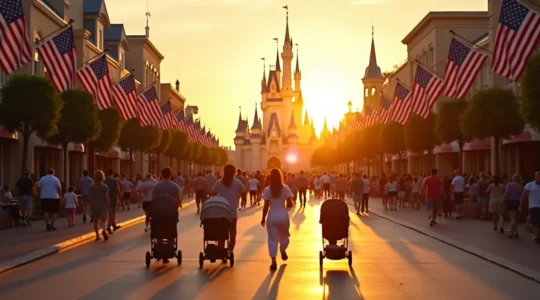
How to Ride Every Attraction at Magic Kingdom in One Day?
Conquering Magic Kingdom in one day is not about luck; it’s a logistical operation of exploiting time, energy, and data. Success hinges on “stacking” Lightning Lanes for the afternoon while using the morning for low-wait attractions. Physical endurance is non-negotiable;…
Read more
How to Host a Tailgate at an SEC Game if You flew in from Out of State?
In summary: Hosting a fly-in tailgate is not about owning gear, but mastering “logistical leverage” through rentals and local services. Success depends on planning your gameday with a “reverse timeline” from kickoff to manage food, gear, and timing. Embrace the…
Read more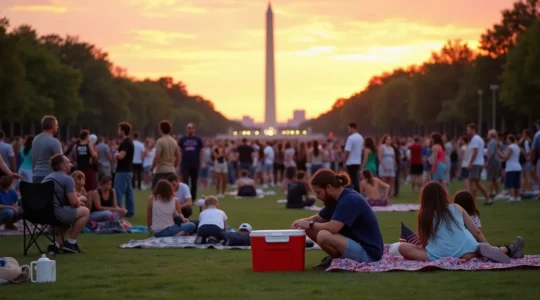
A Security Expert’s Guide to Watching the DC Fireworks Safely on the National Mall
The key to a safe and enjoyable July 4th on the National Mall is not enduring the crowd, but mastering the system with strategic planning. Leverage alternative viewing spots and transportation routes to bypass peak congestion, even with a late…
Read more
How to Fly During Thanksgiving Week Without Losing Your Luggage?
The key to a stress-free Thanksgiving journey is not hope, but a strategic plan that anticipates and neutralizes predictable system failures. Ground travel risks (driving and rental cars) and return traffic have data-proven “red zones” that must be actively avoided….
Read more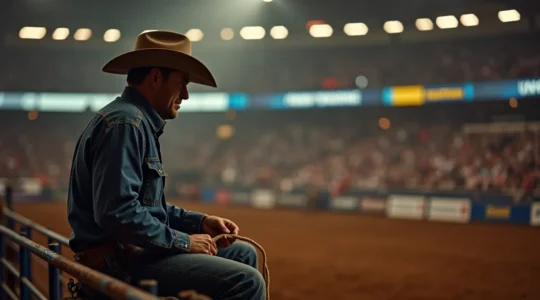
How to Watch Bull Riding Like a Pro: An Insider’s Guide to Scoring and Spectacle
The roar of the crowd, the explosion from the chute… a rodeo can feel like pure chaos if you don’t speak the language. This guide is your personal announcer, translating the action beyond the 8-second buzzer. You’ll learn that the…
Read more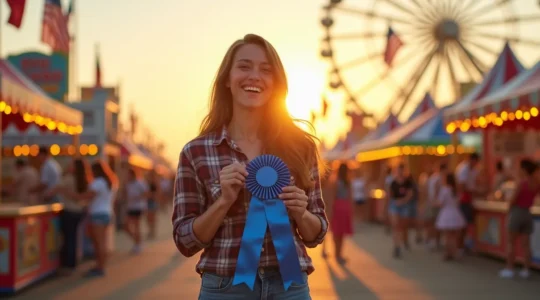
How to Win a Ribbon at the State Fair Without Owning a Farm?
In summary: State fair victory for urbanites means targeting non-livestock competitions like baking, crafts, and eating contests. Conquer fair food with a “Competitive Eating Strategy”: start savory, stay hydrated, and share the wildest creations. Outsmart midway games by understanding their…
Read more
How to Get Front Row Seats at a Vegas Show for Half Price?
The myth is that you need luck or a huge budget for great Vegas show seats; the reality is you just need a better strategy. The biggest savings come from avoiding online “convenience” fees and buying directly from box offices…
Read more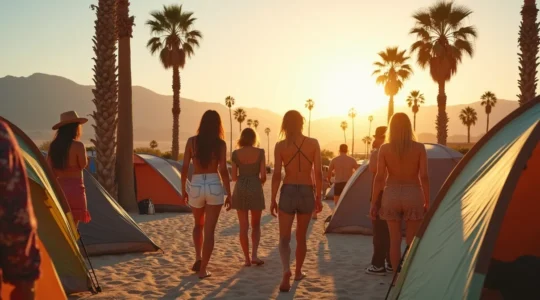
How to Pack for Coachella to Survive the Desert Heat?
Surviving a multi-day festival isn’t about the gear you pack; it’s about the survival systems you master before you even leave home. Rookie mistake: Focusing on a simple packing list instead of building robust systems for hydration, shelter, and energy…
Read more
A Safety Coordinator’s Guide to Navigating Mardi Gras Without Getting Crushed
In summary: Mega-events like Mardi Gras aren’t random chaos; they are governed by predictable systems of economics, crowd flow, and logistics. Success depends on strategic pre-planning, treating your visit like a mission with clear objectives, intel, and extraction routes. Instead…
Read more