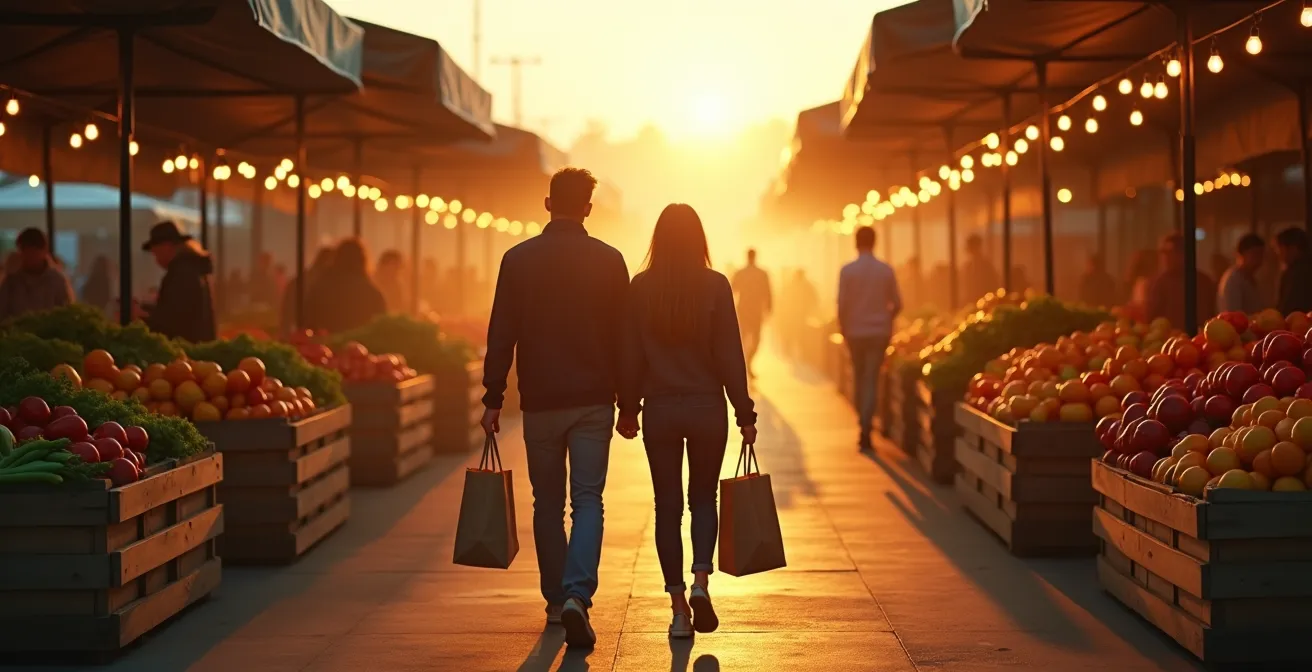
True food-centric travel is not about luck; it’s about culinary choreography.
- Secure top-tier reservations by building digital relationships and targeting shoulder seasons, not by using bots.
- Preserve your palate for a headline dinner by strategically pacing your daytime tastings and avoiding the common “sweet trap.”
- Maximize market visits by understanding vendor rhythms and transforming your finds into souvenirs with TSA-compliant transport methods.
Recommendation: Treat your itinerary like a multi-course menu, where each day is designed to build anticipation for the next gastronomic discovery.
For the dedicated foodie, a vacation is not a break from life; it’s a pilgrimage. The goal isn’t to see the sights, but to taste them. Yet, so many gastronomic journeys fall flat, descending into a series of frantic searches for “the best local food” or the disappointment of a fully booked restaurant. The common advice—book ahead, read reviews, visit the markets—is a starting point, but it’s not a strategy. It’s a checklist for amateurs, not a blueprint for a masterpiece. This passive approach often leads to palate fatigue, missed opportunities, and the nagging feeling that the truly exceptional experiences remained just out of reach.
But what if the entire trip could be orchestrated with the precision of a three-Michelin-star service? The secret to an unforgettable food vacation isn’t just about *what* you eat, but *how* you orchestrate the entire experience. This is the art of culinary choreography. It involves moving beyond simple booking and transforming your itinerary into a strategic campaign where every choice is deliberate. It’s about understanding the economic gravity of a world-class restaurant, mastering the logistics of bringing delicacies home, and, most importantly, pacing your palate to ensure you arrive at your headline dinner with your senses at their peak.
This guide provides the framework for that choreography. We will deconstruct the process, moving from securing the most coveted reservations without a bot to navigating a wine tasting marathon with finesse. You will learn to think like a gastronomic travel agent, transforming a simple vacation into a structured, luxurious, and deeply satisfying culinary expedition.
To guide you through this advanced approach to food travel, this article is structured to build your expertise step-by-step. The following sections detail every strategic layer, from understanding the impact of a great restaurant to the practicalities of a perfect tasting day.
Summary: A Strategic Guide to Reservation-and-Market-Based Travel
- Why a 3-Star Rating Changes the Economy of a Small Town?
- How to Bring Frozen Goods Home on a Plane Without Spoilage?
- Private Guide vs. Group Walking Tour: Which Is Worth the $100?
- The Tasting Error That Ruins Your Appetite for the Main Event
- When to Hit the Night Markets for the Freshest Street Food?
- How to Get a Reservation at America’s Top Michelin Spots Without a Bot?
- How to Taste 20 Wines in One Day Without Getting Drunk?
- How to Plan a Wine Tasting Trip to the Finger Lakes on a Budget?
Why a 3-Star Rating Changes the Economy of a Small Town?
A top-tier restaurant is more than just a place to eat; it’s a center of economic gravity. When an establishment like The French Laundry or The Inn at Little Washington earns its coveted third Michelin star, it doesn’t just elevate its own status. It fundamentally alters the economic landscape of its entire town, drawing in a global clientele willing to build an entire trip around a single reservation. This phenomenon turns quiet, overlooked locations into bona fide culinary destinations. Suddenly, local inns are fully booked, boutique shops see increased foot traffic, and other regional businesses, from farms to artisans, are lifted by the tide of gastronomic tourism.
Case Study: The Inn at Little Washington’s Impact on Rural Virginia
The Inn at Little Washington in rural Virginia perfectly demonstrates how a three-Michelin-star restaurant can transform a small town’s economy. This world-renowned establishment, known for its intricate vegetable creations with many ingredients grown on-site, has created a destination dining experience. It draws visitors from across the nation and the world to what was once a quiet countryside location, single-handedly fueling a vibrant local tourism industry.
However, this immense pressure is a double-edged sword. The pursuit and maintenance of stars demand a level of perfection that can be artistically and financially draining. This intense expectation has led to a fascinating counter-movement within the industry. As one analysis from Ohio State University’s Desis Research notes, some of the world’s most acclaimed chefs are giving back their stars for reasons ranging from a desire to “have fun with food again to not wanting to compete any longer.” For the food tourist, understanding this dynamic is crucial. It means recognizing that a restaurant’s value isn’t solely defined by its star count but by the vision and passion of its chef—qualities that can be found both within and outside the rigid Michelin framework.
How to Bring Frozen Goods Home on a Plane Without Spoilage?
A successful food tour often results in the acquisition of treasures: artisanal sausages, locally churned butter, or a perfectly marbled steak you simply can’t leave behind. The challenge lies in gastronomic logistics—transporting these perishable goods home without spoilage. The Transportation Security Administration (TSA) has clear guidelines, but success hinges on preparation. The core rule is that all cooling agents, whether gel packs or regular ice, must be completely frozen solid at the security checkpoint. If they are melted or even partially thawed, they fall under the 3.4oz/100ml liquid rule and will be confiscated.
For longer journeys, dry ice is the superior option, capable of keeping goods frozen for extended periods. However, it comes with its own set of regulations. Travelers are limited to a maximum of 5.5 pounds, and the container must be properly ventilated to allow carbon dioxide gas to escape. Crucially, you must declare the dry ice to your airline at check-in, and the package needs to be labeled correctly. For particularly valuable or sensitive items, a specialized shipping service can be a stress-free alternative, though it comes at a premium cost.
To make the best choice for your culinary souvenirs, it helps to compare the methods directly. This decision depends on flight duration, the nature of the item, and your tolerance for logistical planning.
| Method | TSA Limit | Best For | Pros | Cons |
|---|---|---|---|---|
| Gel Packs | Must be frozen solid | Flights under 4 hours | Reusable, no mess | Must comply with 3-1-1 rule if melted |
| Dry Ice | 5.5 lbs max | Long flights (8+ hours) | Stays frozen longest | Requires airline approval |
| Regular Ice | Must be frozen solid | Short flights (2-3 hours) | Easily available | Melts quickly, creates water |
Private Guide vs. Group Walking Tour: Which Is Worth the $100?
When exploring a new city’s food scene, the choice between a structured group tour and a bespoke private guide can define your experience. A group walking tour, often priced affordably, offers a fantastic overview. For first-timers in a sprawling culinary landscape like New York’s East Village, it provides general orientation, introduces you to a variety of staples, and offers a social element. It’s an efficient way to get your bearings. However, for the dedicated foodie, its limitations quickly become apparent: a fixed itinerary, a generalized pace, and a lack of personal connection.
This is where the value of a private guide becomes undeniable. For a higher price point, you are not just buying a tour; you are investing in curated access. A great private guide is a fixer, a storyteller, and a local insider rolled into one. They can facilitate line-skipping at legendary spots like Franklin BBQ in Austin, arrange for an impromptu handshake with a chef leading to an off-menu taste, or grant access to non-public areas of a kitchen or market that are strictly off-limits to larger groups. This level of personalization transforms a tour from a passive viewing into an active, immersive experience.
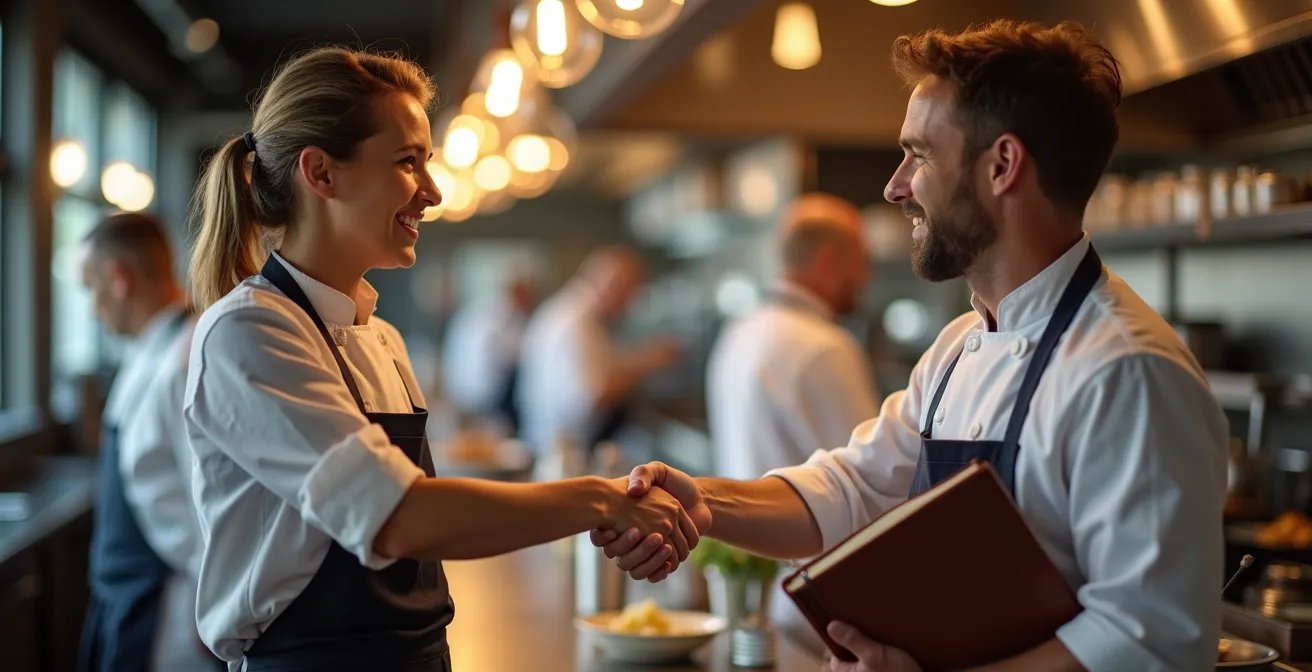
The math can also be surprising. For a small group of three or four people, especially in cities like Charleston or New Orleans, splitting the fee for a private guide can often be more cost-effective than purchasing individual tickets for a group tour. The result is a completely customized, far superior experience for a comparable price. The choice, therefore, isn’t about the absolute cost, but about the return on your investment in discovery and exclusivity.
The Tasting Error That Ruins Your Appetite for the Main Event
One of the most common mistakes a food tourist can make is a failure of palate pacing. You arrive in a city with a reservation at a world-class restaurant for dinner, but spend the day indulging in every delicious snack you encounter. By the time your 8 PM seating arrives, your appetite is diminished and your taste buds are fatigued, unable to fully appreciate the complex, nuanced flavors you’ve traveled so far to experience. A day of unstructured grazing, particularly on high-sugar or high-fat items, can effectively sabotage your headline meal. This phenomenon is a classic “sweet trap,” where the immediate gratification of a pastry or donut overwhelms your palate for hours.
Case Study: The Pike Place Market “Sweet Trap” Effect
Pike Place Market in Seattle exemplifies the “sweet trap” phenomenon. The market is filled with abundant and tempting pastries, donuts, and sweets that can easily overwhelm a visitor’s palate well before a planned dinner. Successful food tourists navigate this challenge by consciously focusing on savory options like smoked fish and artisanal cheeses for their daytime tastings, strategically saving any sweet treats for a post-dinner experience or another day entirely.
The solution is a conscious, strategic approach to your day’s consumption. Think of it as preparing an athlete for competition. According to seasoned food travelers, the key is a disciplined progression of flavors. Start the day with light, clean tastes like fresh fruit. Mid-morning, move to more acidic, palate-cleansing items like pickles or citrus. For lunch, opt for medium-weight savory foods but avoid heavy, fatty preparations. Most importantly, as advised in a guide on navigating a food-heavy itinerary, you must consciously avoid sweet pastries and sugary drinks in the hours leading up to dinner. Arriving at your reservation well-hydrated and with a fresh, eager palate is a non-negotiable part of culinary choreography.
When to Hit the Night Markets for the Freshest Street Food?
Night markets are the vibrant, chaotic heart of many local food cultures, offering an unfiltered taste of a region’s culinary identity. The common wisdom is to “go when it’s busy,” but the dedicated foodie knows there’s a more nuanced strategy. Arriving right at the opening can mean vendors are still setting up, while arriving at the very end risks picked-over food or closed stalls. The true sweet spot is what insiders call the “second wave.” This period, often about 90 minutes before the market’s closing time, is when the initial tourist rush has subsided.
During this window, several advantageous things happen. First, the lines are shorter, giving you more time to interact with vendors and observe their craft. Second, some vendors may begin offering bargains to clear out their remaining inventory for the night. Most importantly, this is often when the vendors themselves start to eat. Watching what they prepare for their own meal is the ultimate insider tip, guiding you to the freshest and most authentic dishes. As a general rule, always “follow the smoke” and the longest lines of locals, not tourists. A busy stall with high turnover is a clear sign of freshness and quality.
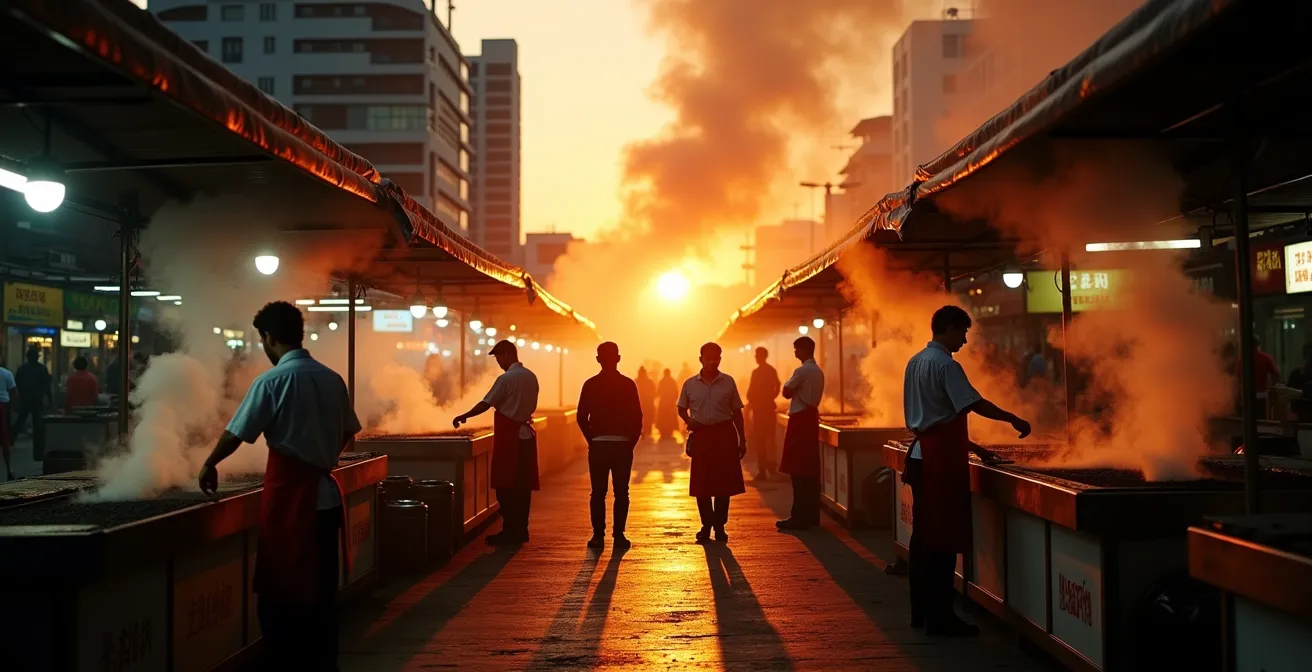
This “second wave” strategy requires patience but pays dividends in quality and experience. One analysis of dining trends notes that the most savvy market-goers capitalize on this timing, as it represents the perfect intersection of availability, value, and authenticity. A Statista report on restaurant trends indirectly supports this, showing how peak and off-peak timing dramatically influences consumer experience, a principle that applies just as much to a humble food stall as it does a Michelin-starred restaurant. It’s a moment when the market is still buzzing with energy, but the frantic chaos has given way to a more manageable and rewarding rhythm.
How to Get a Reservation at America’s Top Michelin Spots Without a Bot?
Securing a table at one of America’s most coveted restaurants can feel like a fool’s errand. Reservations are released 30 or 60 days in advance at a precise time, only to be snatched up by automated bots within milliseconds. Fighting fire with fire is a losing game for the individual traveler. The sophisticated approach—the one that aligns with the spirit of hospitality—is to build a digital relationship. This method of reservation architecture requires patience and genuine engagement, but it is far more effective and rewarding in the long run.
The strategy begins months before your trip. Follow the restaurant and its head chef on social media platforms like Instagram. Sign up for their newsletters and mailing lists. This isn’t just passive observation; it’s about getting on their radar. Many restaurants announce last-minute cancellations or exclusive openings first to their newsletter subscribers. Engaging genuinely with their posts—thoughtful comments, not generic praise—can help build name recognition. Furthermore, modern reservation platforms like Tock are designed to reward loyalty, often giving repeat customers or those on a waitlist early access to new reservation slots.
The Shoulder Season Strategy for NYC Fine Dining
For cities with a high density of elite restaurants, timing is a powerful tool. In New York City, home to over 70 Michelin-starred establishments, the “shoulder seasons” of late August and February are prime opportunities. During these periods, when many locals are on vacation or the weather is harsh, reservation availability can improve by as much as 40-60%. This strategy allows you to access top tables without any drop in food quality or service standards, simply by planning your visit when demand is naturally lower.
As detailed in a guide by Toast, a restaurant technology provider, building this connection is key, as restaurants are increasingly looking for ways to reward loyal patrons over anonymous bot-users. Their advice underscores a simple truth: restaurants are in the business of hospitality and prefer to serve guests who appreciate their craft. By demonstrating your interest and becoming a known entity, you move from being a random request to a valued future guest, dramatically increasing your chances of securing that “impossible” reservation. This human-centric approach is the ultimate way to bypass the bots.
How to Taste 20 Wines in One Day Without Getting Drunk?
A wine-tasting trip can quickly devolve from a sophisticated exploration of terroir into a blurry, palate-numbing ordeal. The key to tasting extensively while remaining sharp and sober is a combination of strategic pacing, proper hydration, and—most importantly—not being afraid to spit. Spitting is not rude; it is the mark of a professional taster, and wineries not only expect it but provide spittoons for this exact purpose. You can fully appreciate a wine’s aroma, structure, and finish without swallowing every drop. Your goal is to analyze, not to party.
Equally important is the order in which you taste. A structured progression prevents lighter, more delicate wines from being overpowered by bigger, bolder ones. The universally accepted protocol is to move from light to heavy:
- Start with sparkling wines to awaken the palate with their acidity and effervescence.
- Progress to light-bodied white wines (e.g., Albariño, Vinho Verde).
- Move to fuller-bodied whites (e.g., oaked Chardonnay, Viognier).
- Use rosés as a transitional bridge.
- Sample light-bodied reds (e.g., Pinot Noir, Beaujolais).
- End with the heaviest, most tannic reds (e.g., Cabernet Sauvignon, Syrah).
What you eat before and during your tastings is also a critical component of your endurance. Avoid starting the day with sugary foods, which can dull your palate. Instead, opt for a protein-and-complex-carb breakfast that provides sustained energy. Between wineries, snack on neutral items like plain crackers or almonds to cleanse your palate and absorb alcohol.
Your Palate Preservation Checklist: Auditing Your Tasting Day
- Hydration Plan: Have you planned to drink one full glass of water for every wine tasted?
- Food Foundation: Is your pre-tasting meal low in sugar and high in protein/fiber?
- Spitting Strategy: Are you mentally prepared to spit at least 80% of the wines you taste?
- Order of Operations: Does your winery route follow the light-to-heavy tasting protocol?
- Reset Tools: Have you packed neutral snacks like water crackers to cleanse your palate between locations?
Key Takeaways
- Reservation Architecture: Securing top tables is a long-term strategy of building digital relationships, not a short-term race against bots.
- Palate Pacing: The success of your main event dinner depends on the disciplined, strategic management of your daytime consumption to avoid sensory fatigue.
- Gastronomic Logistics: A truly successful trip extends beyond the meal itself, requiring a plan to transport your culinary discoveries home safely and legally.
How to Plan a Wine Tasting Trip to the Finger Lakes on a Budget?
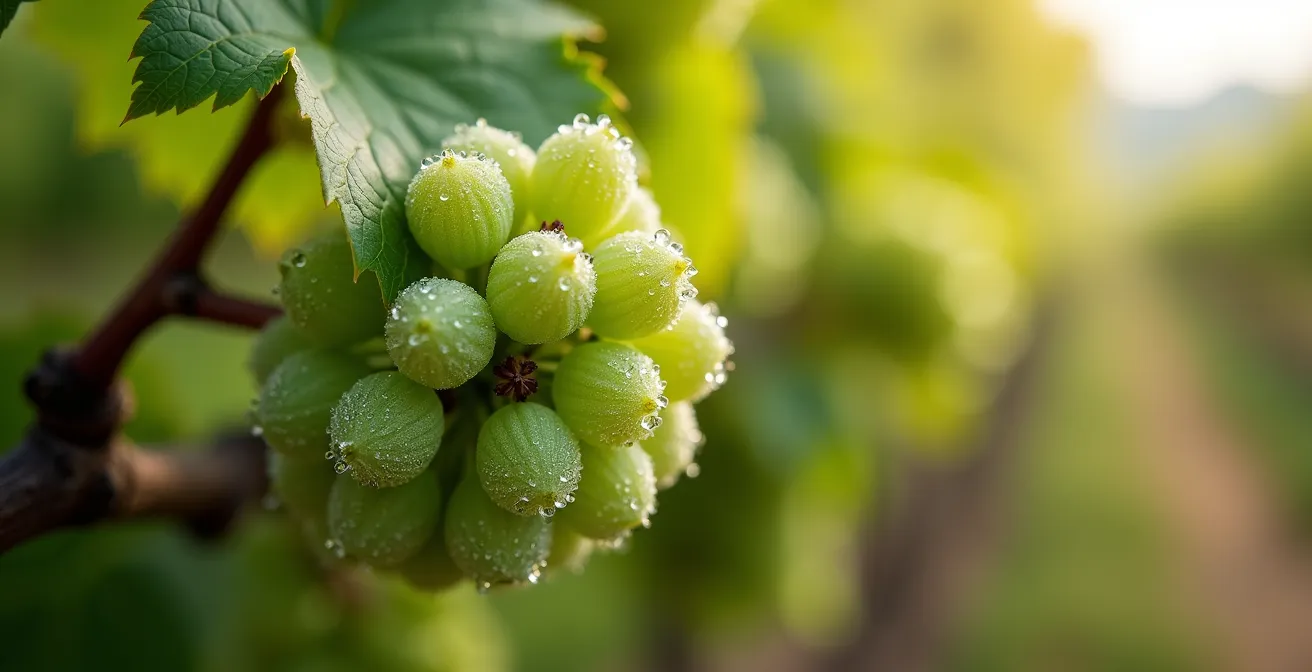
The Finger Lakes region of New York, renowned for its world-class Rieslings, offers an exceptional wine-tasting experience without the premium price tag of Napa or Sonoma. Planning a budget-friendly trip here is a matter of strategic timing and smart choices. The most significant savings come from avoiding the peak summer season. Visiting during the shoulder months of April and May provides a host of advantages: accommodation rates in towns like Watkins Glen can be up to 40% lower, weekday tasting fees are often reduced or waived entirely, and the vineyards are blissfully free of summer crowds.
This off-season timing also offers a more intimate experience. With fewer visitors, winemakers are often more available, providing opportunities for personal tours and deeper conversations that are impossible during the busy season. You can witness the beauty of the vineyards during the budding season, a unique and quiet spectacle. When planning your itinerary, focus on the varietals the region excels at, like Riesling and Gewürztraminer, which often provide the best quality-to-price ratio.
For visitors planning to visit multiple wineries, wine trail passes like the Seneca Lake Wine Trail “Polar Passport” can offer significant savings. However, it’s crucial to do a break-even analysis. These passes are most valuable if you plan to visit a certain number of participating locations. For the Finger Lakes region, data suggests the break-even point is often reached after the fifth winery visit. If your itinerary is less ambitious, paying tasting fees à la carte may be more economical. By combining off-season travel with a targeted tasting strategy, a luxurious-feeling wine trip to the Finger Lakes becomes remarkably accessible.
With this framework in hand, you are no longer just a tourist. You are the choreographer of your own culinary ballet. Start designing your next gastronomic itinerary today, transforming your passion for food into a perfectly executed travel masterpiece.
Frequently Asked Questions on Food-Centric Travel
What exclusive access does a private guide provide at top restaurants?
Private guides offer line-skipping at legendary spots like Franklin BBQ in Austin, facilitate chef’s handshakes for off-menu items, and provide access to non-public areas that group tours cannot offer.
When is a group tour better value than a private guide?
For first-timers in cities like NYC, a group tour of neighborhoods like the East Village provides excellent discovery value. Group tours work best for general orientation and meeting other travelers.
How can small groups maximize value with private guides?
For groups of 3-4 people in cities like Charleston or New Orleans, splitting a private guide’s fee often costs less than four individual group tour tickets while providing a customized, superior experience.